Story outline
-
Iorana, Welcome to ‘Ō roŋo
Video interviews with community members will share the traditions and history of the ceremonial village of ‘Ōroŋo. Their stories, knowledge, and other media will guide you through the site and its significance. At the end of each scene, click “Dive Deeper” to explore different areas of the detailed 3D model.
-
Stop 1. Haka Ara
You are standing at the edge of the breathtaking Rano Kau crater, where steep cliffs plunge into the sea and three islets, Motu Nui, Motu ‘Iti, and Motu Kao-Kao, rise on the horizon. This sacred landscape, home to the many tara seabird and central to the ancient Taŋata Manu competition, invites you to connect with the ancestors who shaped this extraordinary place. -
Stop 2. Living History
Rano Kau’s crater has long been a place of connection and sustenance. Historically, its lagoon served as a vital source of fresh water for daily activities. Today, Rapa Nui people continue to descend into the crater to gather plants like mahute and medicinal herbs. This enduring connection to the land highlights the resilience of the community, where ancestral knowledge and customs are passed down, ensuring the culture thrives for generations to come. -
Stop 3. The Ceremonial Village of ‘Ō roŋo
The ceremonial village of ‘Ō roŋo, with its stone houses (hare keho) built from expertly layered basalt slabs, was central to rituals during the Taŋata Manu competition. Leaders and spiritual figures gathered here, connecting with gods and ancestors. Today, this restored site offers a glimpse into the past, preserving the stories of those who gathered here. -
Stop 4. Ceremonial house
Inside the restored houses of ‘Ō roŋo, the narrow, stone-walled spaces reveal traces of their rich history. However, many of these painted stones, along with carvings and ancestral treasures, were taken from the island during early expeditions, leaving the houses largely empty. Despite this, the spirit of the ancestors lingers, their stories and energy preserved in the walls, and the sacred traditions of this place. -
Stop 5. Tangata Manu - The Birdman Competition
Once a year, the village of ‘Ō roŋo came alive with the Taŋata Manu competition, a test of strength and endurance. This sacred event determined leadership on the island and strengthened the community’s spiritual connection to the land and sea. While the competition no longer takes place, its spirit lives on through the Tāpati Rapa Nui festival, where the community celebrates their heritage with cultural performances and contests. -
Stop 6. The Mata Ŋa Rahu Petroglyphs
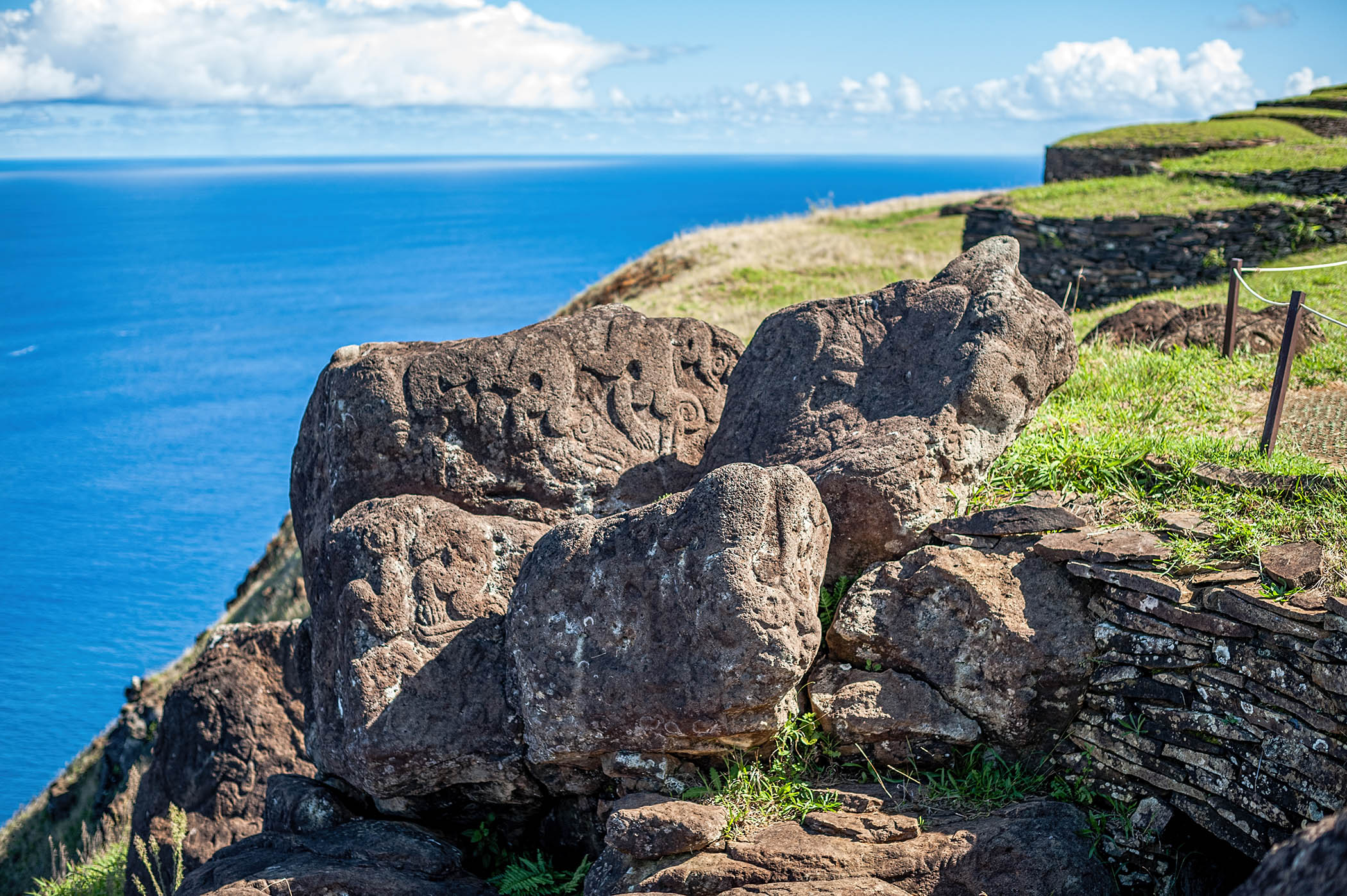
Mata Ŋā Rahu features ancient petroglyphs that record the island's history and rituals. These carvings depict the Taŋata Manu, the deity Make-Make, and symbols of femininity and fertility. They mark the winners of the Taŋata Manu competition, including legends like Pou Va’e Tea. While some carvings have been lost to erosion those that remain offer a powerful glimpse into the island's history. -
Stop 7. Legends & Original Names
The petroglyphs of Mata Ŋā Rahu are more than carvings; they are a bridge between generations, preserving stories shared orally over centuries. Today, with the threat of erosion, the Rapa Nui community has embraced 3D technology to document and safeguard this invaluable heritage, ensuring that the knowledge and spirit of their ancestors will endure for future generations. -
Stop 8. Threats to ‘Ō Roŋo
Ma’u Henua, the Indigenous organization tasked with preserving the park, is leading efforts to protect and stabilize the area. Collaborating with researchers and experts, they are gathering critical data to make informed decisions about erosion control and preservation. -
Stop 9. Conclusion and Invitation
‘Ō roŋo is not just a place of the past; it is a vibrant story that continues to thrive with your participation and respect. We hope this experience has inspired reflection, curiosity, and a deeper appreciation for Rapa Nui culture. If you have the opportunity, we encourage you to visit this extraordinary site in person and see it with a fresh perspective. Māuru-uru. Iorana!
Voices
-
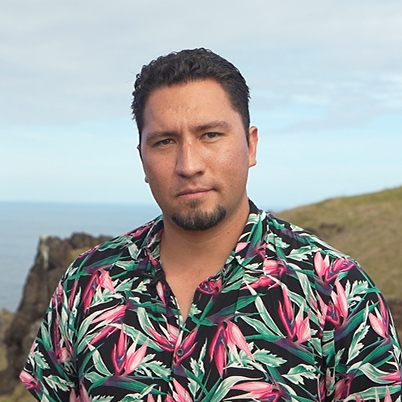
Ariki Tepano
President of Ma'u Henua
-
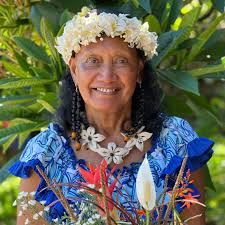
Isabel Pakarati
Elder and cultural historian
-
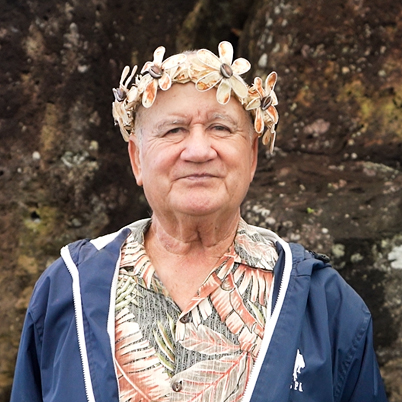
Zoilo Hucke
Member of the Council of Elders
-
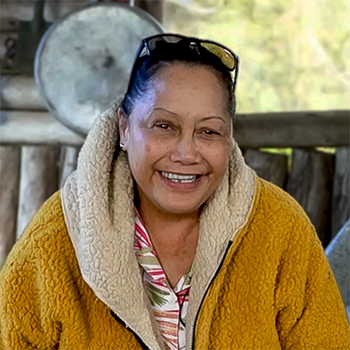
Maria Cristina Manutomatoma Pakarati
Farmer and healer
-
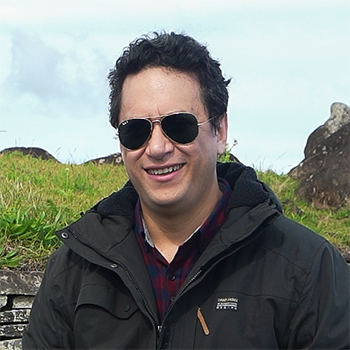
Rafael Rapu
Archaeologist
-
.jpg)
Nehe-Nehe Pakomio Atan
Student and Queen of Tapati
Gallery
Partners

About the Project
The Tapestry experience of ‘Ō roŋo highlights a sacred site rich in history and cultural significance. Undertaken in 2024 with the support of World Monuments Fund, this project involved the creation of an incredibly detailed 3D model of ‘Ō roŋo, including the petroglyphs of Mata Ŋā Rahu, which have been identified as vulnerable to erosion.
This virtual experience provides a unique opportunity to explore ‘Ō roŋo from anywhere in the world, connecting you to its powerful stories and deep history. Through nine immersive stops, you will learn from community elders and cultural stewards, gaining insights into the traditions, stories, and significance of this sacred place. By exploring the high-resolution 3D model, you will develop a deeper understanding of Rapa Nui’s cultural heritage and the importance of preserving these extraordinary sites for future generations.
Related Links
Credits
This Tapestry experience of ‘Ō roŋo was made possible through the generous support of World Monuments Fund. World Monuments Fund thanks The Robert W. Wilson Charitable Trust and The Selz Foundation for supporting the Tapestry experience of ‘Ō Roŋo.
Daniela Meza Marchant and Melany Atam Osorio oversaw the project, which received invaluable contributions from community members, including Ariki Tepano Martin, Zoilo Hucke, Isabel Pakarati, Rafael Rapu, Cristina Manutomatoma, Nehe-Nehe Pakomio. Mike Patē Haoa provided narration, with translations by Christian Madariaga Paoa and illustrations by Sebastian Pakarati Trengove. Introductory song is Kaveheke by Mana Mā'ohi.
We extend our deepest gratitude to the Rapanui community for sharing their voices, stories, and heritage, ensuring that the rich cultural significance of ‘Ō Roŋo continues to inspire and educate.
Related experience
Choijin Lama Temple Museum (Opens in new tab) — Preserving sacred art and identity in Ulaanbaatar