Story outline
-
Amarbayasgalant Monastery
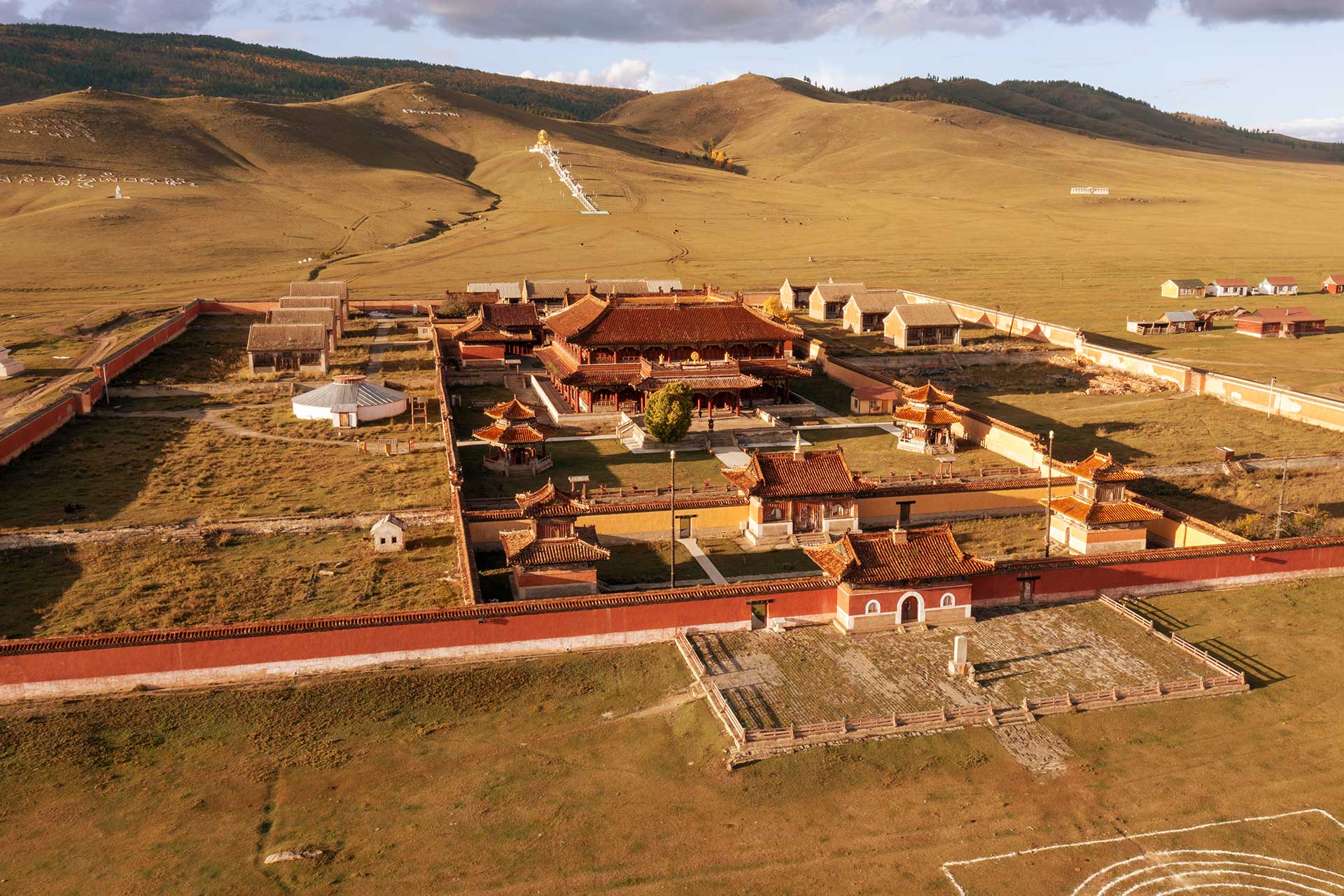
Welcome to Amarbayasgalant Monastery. Amid the vastness of the Mongolian steppe, it stands as a beacon of Buddhist resilience, preserving traditions and training monks despite historical challenges. -
Stop 1. Buddhism in Mongolia
This revered site is one of only two Yellow sect monasteries remaining in Mongolia after the destructions caused by the Great Repression. Mongolian Buddhism has its own characteristics and this monastery is alive with active cultural traditions. -
Stop 2. A Place of Legends
This place is rich in myths, with many stories about how it was founded and got its name. It is said to be named after two children, Amar and Bayasgalan, found playing at its site, the location was chosen by Qing Dynasty geologists to honor Zanabazar, the emperor's mentor. -
Stop 3. Unique Architecture
The Tsogchin Temple at Amarbayasgalant showcases unique architecture with a W-shaped roof designed for rainwater collection. Inside, it serves as a prayer hall, while its second-floor veranda offers panoramic views of the valley. -
Stop 4. Repression Period
Behind Amarbayasgalant's main temple lie smaller structures housing sacred texts and deities. The site was damaged during the communist repression, which targeted religious institutions and practices but has experienced a revival since Mongolia's 1990 democratic revolution. -
Stop 5. The Bogd’s Ger
The Bogd is the most significant spiritual leader in Mongolia and this location features a traditional ger built for the Bogds of every generation. As the Bogds are believed to be eternally reborn, this ger holds special reverence, ready to welcome the 10th Bogd. -
Stop 6. A Dream for the Future
Amidst the challenges of adapting and doing research on restoration techniques to Mongolia's climate, there's a shared vision among monks and locals to build a new temple that honors tradition and embraces progress.
Voices
-
Molom Abbot
Abbot of Amarbayasgalant
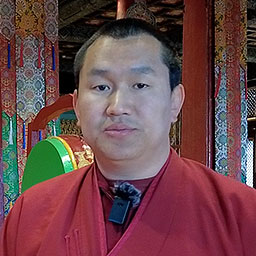
A native of Selenge province’s Baruunburen, Molom Abbot serves as the leader of the Amarbayasgalant Monastery. He has held this position since 2013, taking over the responsibility from his grandfather, Jamiyandagva. -
Ochirkhuu Lama
Lama at Amarbayasgalant
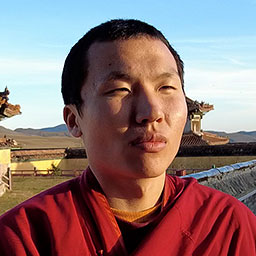
Orchirkhuu Lama first joined the monastery in 2010 as a novice. His journey which started as a three-month break from school at the monastery became a new passion and has resulted in over 13 years of study at the monastery. -

Narantsetseg
Local Resident
Narantsetseg is connected to Amarbayasgalant through her family ties to the region. The area was the birthplace of her parents and now her son is a manager at the Monastery. -
Bayanmunkh
Heritage management and conservation expert
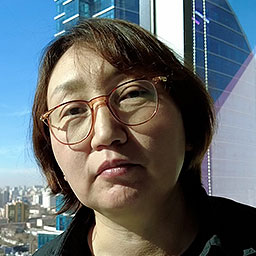
Bayanmunkh served as director of the Preserving Amarbayasgalant Monastery project for the Mongolian Arts Council cultural heritage program. This program was supported by the US Ambassadors Fund for Cultural Preservation and focused on renewing the electrical system of the monastery to reduce fire risks.
Gallery
Partners



About the Project
Amarbayasgalant Monastery is a symbol of Mongolia's spiritual history and resilience. Established in the early 18th century, this site was constructed in the sacred memory of Saint Zanabazar, the first Bogd or supreme spiritual authority of Buddhism in Mongolia. Amid the vastness of the Mongolian steppe, the monastery's intricate architecture and glazed roof tiles offer a striking contrast to the natural beauty of the landscape. Once a bustling spiritual community with over six thousand monks, Amarbayasgalant withstood the trials of communist repression, preserving its rich cultural practices and legacy of training new monks.
Credits
This Tapestry experience was created as part of the Community Heritage Exchange Initiative with support from the U.S. State Department. This project was led by Ikhbayar Urchuud and Zulaa Urchuud of the Mongolian Film Institute who identified and coordinated the following trainees and participants in producing the resulting experience. 3D Capture Team: Otgon-Erdene Erdene-Ochir, Byamba Batkhuyag, Saruul Batsaikhan, Bat-Erdene Doljin, and Taichar Enkhbat. Storytelling Team: Bilguuntuguldur Sharkhuu, Ankhbayar Nyamdavaa, Nyamdulam Tsedevsuren, Bolorchimeg Ochirbat, and Layla Batchuluun. Team Translator: Jargalt Odgerel
Related experience
El Kurru & The Tomb of Tanwetamani (Opens in new tab) — A 2,500 year old tomb protected by the local community