Story outline
-
The Great Mosque of Djenné
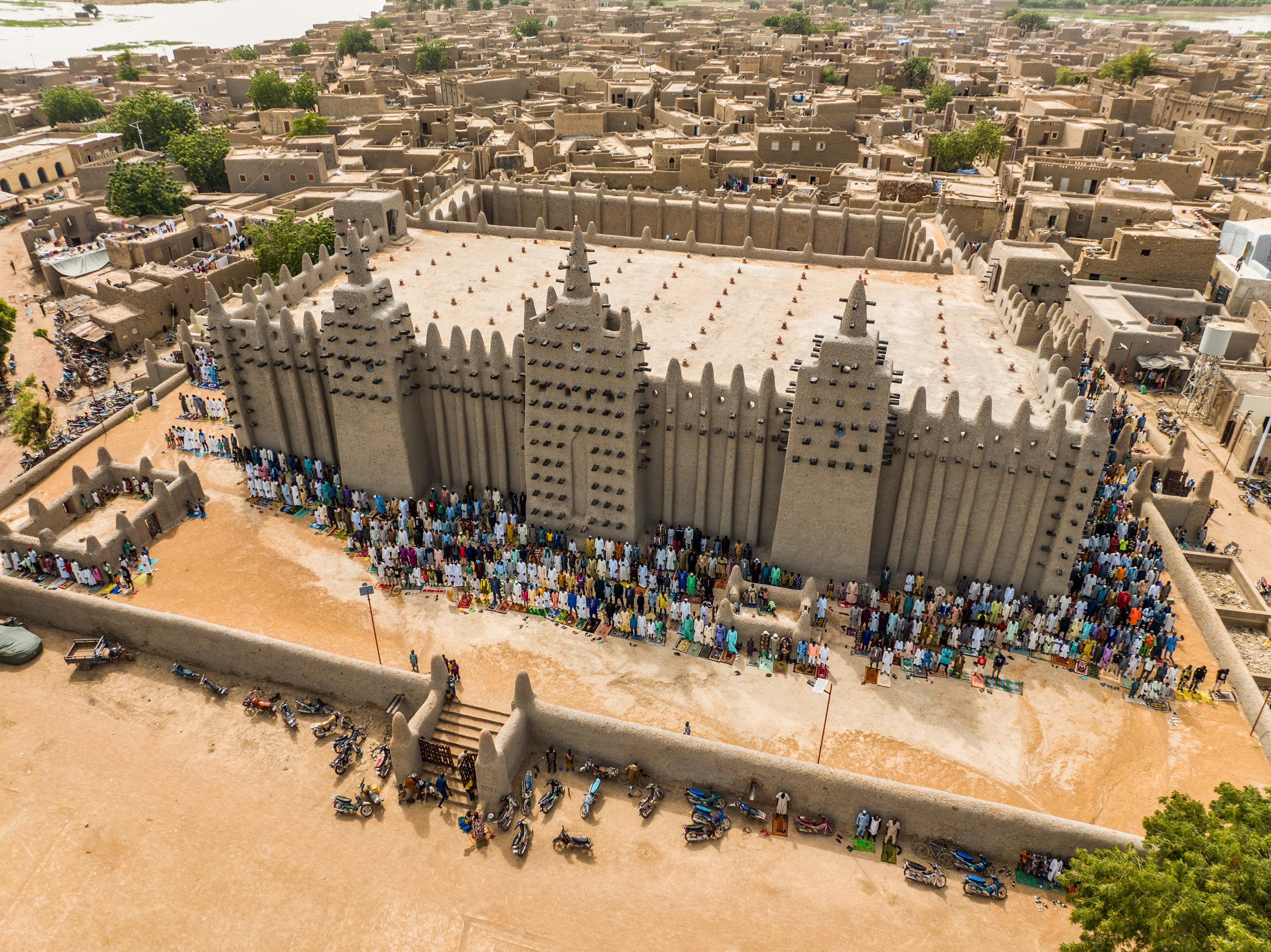
Welcome to the Great Mosque of Djenné, located in the country of Mali by the Bani River. This building is the largest mud brick building in the world and a powerful representation of Islamic faith in Africa. -
Stop 1. Welcome to the Great Mosque
The Great Mosque is the world's largest mud structure at 50 feet tall. Annually, the community replasters it. Serving as an Islamic place of worship since the 11th century, it remains active for Muslims today. -
Stop 2. History
Standing at the Great Mosque's main gate, you're seeing a structure first built in the 13th century by the newly-Muslim King Koi Kunboro. Originally made of adobe and plaster, it fell into disrepair by the 19th century. The current version was built in 1907. -
Stop 3. Unique Architecture
The mosque's minaret is key for calling Muslims to prayer five times daily. Topped with ostrich eggs symbolizing creation and resurrection, these minarets also face Mecca, towards which Muslims pray. -
Stop 4. The Replastering Festival
The Great Mosque's walls are made of banco, a fermented mud, prone to rain damage. The community annually re-plasters it during the Crépissage Festival. 'Toron,' bundles of palm, act as built-in scaffolding for this process. -
Stop 5. Keeping Cool
Located in hot, dry West Africa, the Great Mosque uses traditional adobe bricks for climate control. It can hold 3,000 people and features small terracotta vents for air and light. -
Stop 6. A Place for Prayer
The internal courtyard serves as an open-air space for Quran study and prayer. The Quran is Islam's holy book, believed to be Allah's words as told to Prophet Muhammad, and is crucial to practicing the faith. -
Stop 7. The People of Djenné
The Great Mosque exemplifies sub-Saharan Islamic architecture, using traditional materials and methods. A UNESCO World Heritage site, its preservation is ensured by the dedication of the Djenné community.
Voices
-
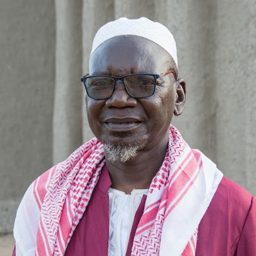
Yelfa Djeité
Imam at the Djenne Mosque
Yelfa Djeité is a revered imam at the historic Great Mosque of Djenné in Mali, known for leading congregational prayers and offering profound spiritual guidance to the community. -
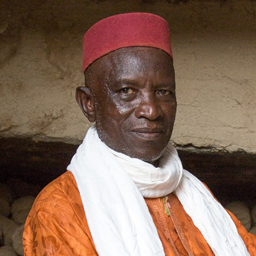
Nouhoum Touré
Chief Mason
Nouhoum Touré is a resident of Djenné and has dedicated decades of his life to preserving the traditional adobe architecture of the region. With ancestral techniques passed down through generations, Touré not only maintains the iconic structure's integrity but also educates aspiring masons on the artistry and cultural importance of Mali's adobe masterpieces. -
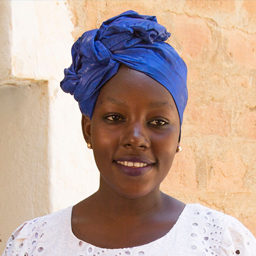
Aïssata Djitteye
Leader of Girls Group Sankoré District
Aïssata Djitteye, leader of the Sankoré district girls' group, is pivotal during the Crépissage festival, melding tradition with empowerment as she aids in the celebrated plastering rituals.
Gallery
Partners


About the Project
The Great Mosque of Djenné, located in the town of Djenné, Mali, is the largest mud-brick building in the world. Constructed primarily from sun-dried mud bricks coated in clay, the mosque stands as an iconic representation of West African Islamic culture. Recognized as a UNESCO World Heritage Site since 1988, it plays a pivotal role not just as a place of worship but also as a testament to the region's rich history and architectural tradition. Every year, the local community comes together in a festival to repair and re-plaster the mosque's walls, which is both a practical maintenance activity and a symbolic gesture of communal unity and cultural preservation.
Related Links
Credits
This Tapestry tour of the Djenne mosque was made possible thanks to our partners: Aïssata Guitteye, Mohamed Dayfour Diawara, Paul Chandler, Fodé Traoré, Aboubacar Traoré, Djélika Traoré, Daniel Oron, Bahaye Nientao, Alibana Kamisa, Nouhoum Toure, Alpha Moye Dieyde and Sekou Dembele
Related experience
Rapa Nui (Easter Island) (Opens in new tab) — A place of spiritual importance to its Indigenous people