Story outline
-
Welcome to the Exchange Sewala and Shiv Mandir
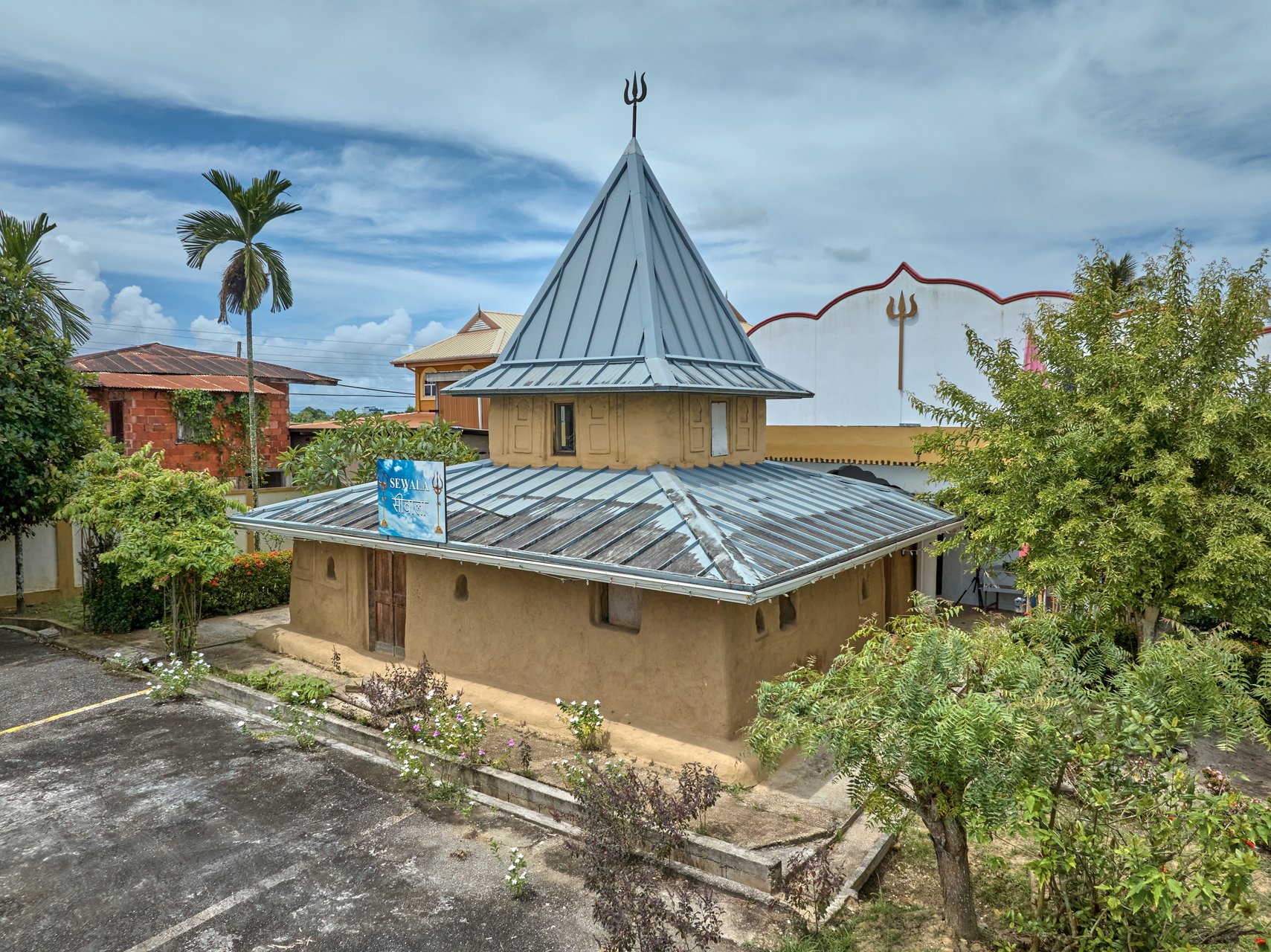
Join us on a virtual tour of the Exchange Sewala, a leepayed Hindu Temple in Trinidad and Tobago to see how temples, shrines, and ritual spaces reflect the country’s Indo-Trinidadian history. The tour, and accompanying interviews, highlight architecture, icons, and practices that show how Hindu traditions were adapted in the Caribbean context. -
Stop 1. Indo-Trinidadian History
Between 1845 and 1917 more than 147,000 Indians arrived in Trinidad under indentureship to sustain the sugar industry. Many indentured Indians lived here on the expansive Exchange Estate. Today this land has become a vibrant spiritual and community hub centered on the Sewala temple. -
Stop 2. Leepay Construction
In Indian traditions, leepaying mud building material is usually made from a mixture of local clay-rich soil, water, and natural binders. Cow dung is a common binder, which improves cohesion, reduces cracking, and increases durability. Thick earthen walls create geothermal cooling for the devotees and the tall, open, ceiling in the Sewala allowed the hot air to rise and escape. There was little to no financial cost, since construction and maintenance relied on materials found in the surrounding environment. -
Stop 3. Entering from the East
Four doors, one on each cardinal point, frame the Sewala’s entry. Worshippers enter from the East and proceed clockwise. Raised leepayed reliefs on the interior walls share vivid narratives of Hindu deities and collective faith. -
Stop 4. The Sacred Lingam
Lord Shiva is one of the principal deities of Hinduism, known as the Supreme Being in Shaivism and as the god of destruction and transformation within the Trimurti. The Shiva Linga represents Shiva not in human form, but as pure consciousness and limitless divine power. Worship of the Linga emphasizes devotion to Shiva as the source and dissolver of the universe. -
Stop 5. Sculpted Stories
Leepayed relief panels inside the Sewala depict scenes from the Ramayana’s climactic Battle of Lanka. The imagery celebrates devotion, heroism, and divine intervention central to Hindu storytelling. -
Stop 6. Renovation and Restoration
Preserving the Shiv Mandir and Sewala creates a unique, tangible, historic link. This type of building is one of a kind in the country of Trinidad and Tobago and represents an incredibly important historic landmark as reminder of the past of the nation and its people, as well as nuanced communities that call not only the town of Exchange home, but the rest of the melting pot that is Trinidad and Tobago. -
Stop 7. Preserving, Religion, Culture, and Traditions
Encouraging mutual respect across faiths and cultures in contemporary Trinidad and Tobago is important as the country is home to many faiths, including Christianity, Hinduism, Islam, and Afro-Caribbean spiritual traditions. This mutual respect helps create a society where churches, temples, mosques and other sacred spaces exist side by side. It is significant to note that the liberties enjoyed today are the result of anticolonial and postcolonial struggles.
Voices
-
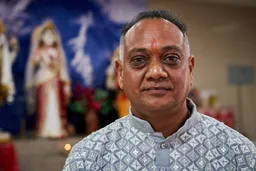
Pundit Teka Samnarine
Resident Pundit
Exchange Shiv Mandir
The Resident Pundit, spiritual leader, at the Exchange Village Sewala and Mandir. -
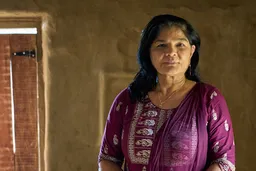
Savita Garib
Secretary of Temple Committee
Exchange Shiv Mandir
Secretary of Temple Committee -
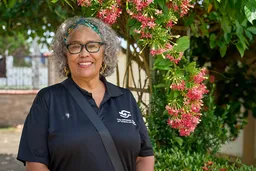
Rudylynn De Four Roberts
Restoration Architect, National Trust of Trinidad and Tobago
President and Founding Member of Citizens for Conservation
President and Founding Member of Citizens for Conservation -
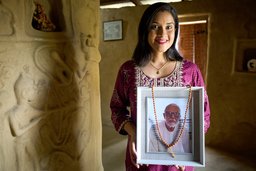
Jaishari Maharaj
Granddaughter of the late Pundit Haredo Maharaj
Exchange Shiv Mandir
Granddaughter of the late Pundit Haredo Maharaj -
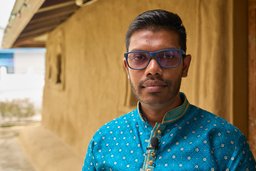
Richard Rampersad
Visual Artist and Cultural Activist
Visual Artist and Cultural Activist
Gallery
Partners





About the Project
The Exchange Sewala and Shiv Manidr is one of the oldest standing leepayed temples in Trinidad and Tobago. The temple is representative of the deep Indo-Trinidadian roots of the community, with raised reliefs featured both on the exterior as well as the inside of the temple. The large leepayed wall panels inside share several scenes from a story in the Ramayan.
Related Links
Credits
Thank you to our subject matter experts and interviewees: Pundit Teka Samnarine, Savita Garib, Rudylynne De Four Roberts, Richard Rampersad, and Jaishri Maharaj.
A special thanks to the U.S. Embassy Port of Spain, The National Trust of Trinidad and Tobago, and the entire community at the Exchange Village Sewala and Shiv Mandir.
We are also grateful to Karishma Nanhu and Andrea Bullock for additional editing and review work.