Story outline
-
Welcome to the Great Barrier Reef
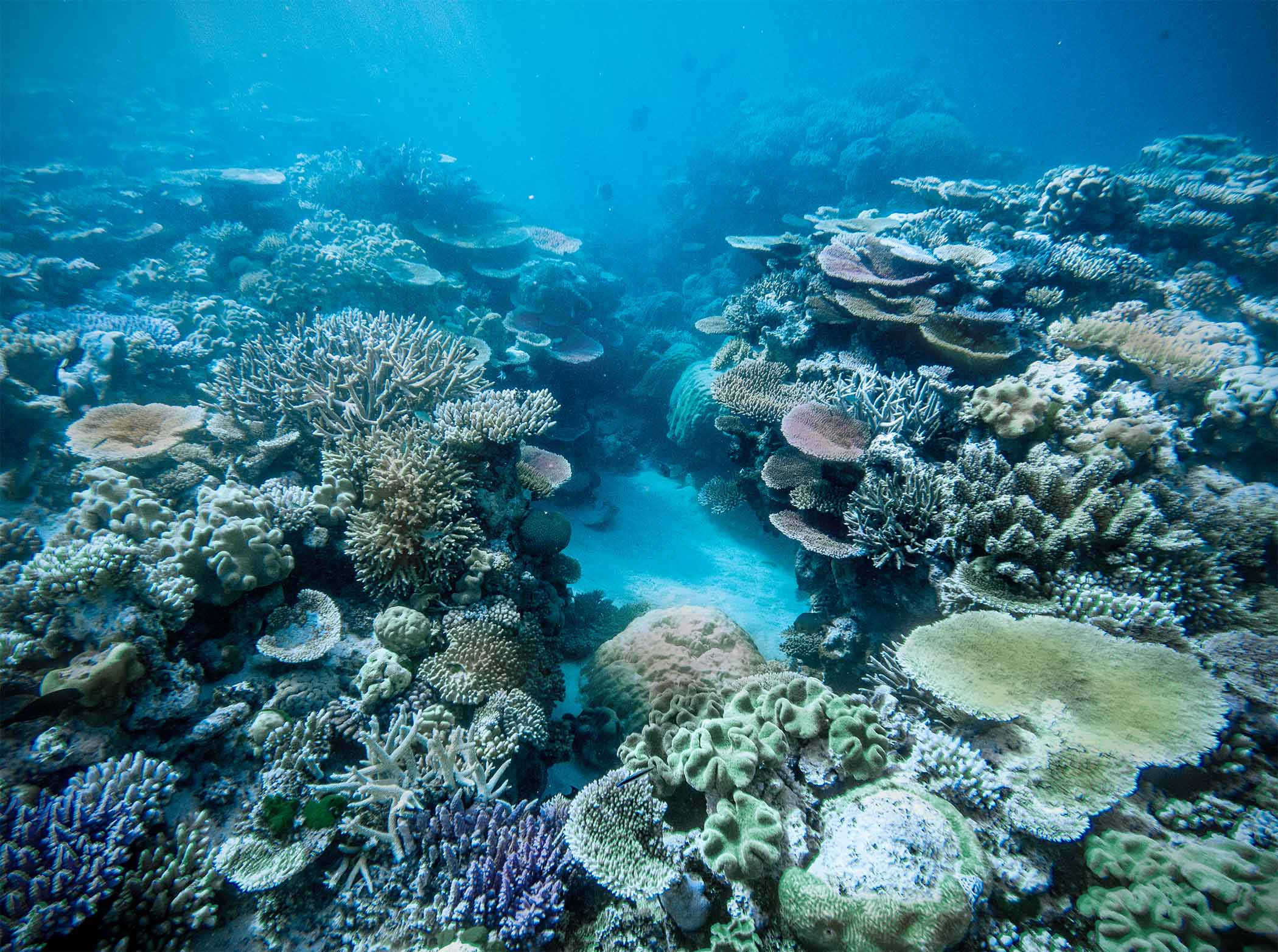
Lizard Island, found in the Northern region of the Great Barrier Reef, is ancestral land of the Dingaal people and host to the Australian Museum’s Research Station. Its unique location offers vital long-term ecological and cultural insights, crucial for understanding climate impacts on coral reef ecosystems around the world.
-
Stop 1. Cultural Connections
The Dingaal people, the Traditional Owners of Lizard Island (or Jiigurru), have been here for thousands of years. The Island has served as a sacred ceremonial and gathering location, and served as part of a bustling trade network for Pacific Island peoples.
-
Stop 2. Research on the Reef
Since 1973, the Australian Museum’s Lizard Island Research Station has conducted long-term studies on the reefs in the Lizard Island region that provide valuable knowledge of the Great Barrier Reef. Ongoing research on reef biology, fish ecology, and climate impacts provide vital baseline data and gauges the wider reef’s health and resilience.
-
Stop 3. Importance of the Reef
Coral reefs around the world provide habitats for a quarter of all marine life. These reefs also generate much of Earth’s oxygen, signal overall ocean health, and, through scientific and Indigenous knowledge, deepen understanding of global reef resilience.
-
Stop 4. Relationships on the Reef
The reefs around Lizard Island feature intricate symbiotic networks of coral, algae, and other marine life that drive nutrient cycling, biodiversity, and resilience. These reefs exemplify long-standing connections between marine ecosystems and human communities.
-
Stop 5. Threats to the Reef
The coral reefs around Lizard Island, such as Macgillivray Reef to the West, feature fast-growing, but still vulnerable coral species. Each year, they face threats from increasing temperatures, such as bleaching, acidification, cyclones and crown-of-thorns outbreaks. These events can devastate reef biodiversity.
-
Stop 6. Reef Resilience and Vulnerabilities
Coral reefs are resilient, yet still vulnerable ecosystems. Repeated and prolonged damage can lead to “resilience debt” making recovery unattainable. Scientists, Traditional Owners, and local communities can work to restore reefs, but lasting recovery depends on political action addressing root causes.
-
Stop 7. Looking to the Future
Lizard Island’s reefs host extraordinary biodiversity and hold deep environmental and cultural value. Understanding their changing conditions fosters respect for this irreplaceable wonder. Though resilient, reefs are facing unprecedented climate threats—demanding research, conservation, and urgent action.
Voices
-
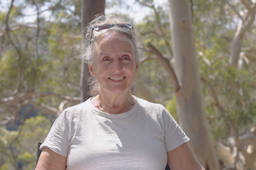
Anne Hoggett
Former Co-Director, Lizard Island Research Station
Dr. Anne Hoggett is a scientist who initially specialized in the naming and classification of marine invertebrates, before changing focus to facilitate coral reef research by others. She lived and worked for more than 34 years at the Australian Museum’s remote Lizard Island Research Station on the Great Barrier Reef as one of its two Directors.
-
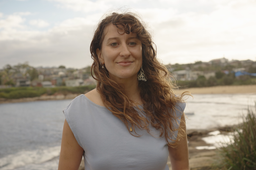
Alexandra Skeer
Marine Scientist
Alexandra is a marine biologist from southern Australia researching coral health on the Great Barrier Reef. She has spent the past decade working in research, coral reef restoration, coral and animal husbandry, aquaculture, marine educational tourism and science communication, and is passionate and dedicated to conserving marine environments through inclusive collaboration and accessible communication of actionable science.
-
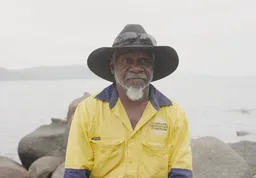
Vernon Yoren
Elder, Dingaal and Juunjuwarra Traditional Owner
Vernon Yoren is a prominent Traditional Owner, community leader, and performer from the Dingaal and Juunjuwarra communities on Cape York, Queensland. He serves as a Director on the Juunjuwarra Aboriginal Corporation and has been heavily involved in preserving and sharing Aboriginal culture and heritage.
Gallery
Partners



About the Project
This Tapestry experience was created to highlight the beauty of the Great Barrier Reef and raise awareness of the increasing threats from the climate crisis, especially around the Lizard Island region. Using photogrammetry data documented by PHORIA, CyArk created 3D models of three coral reef areas shared in this experience, providing a valuable resource for visitors around the world to visit this irreplaceable cultural and environmental location.
Related Links
Credits
CyArk would like to thank the People of Dingaal Nation and Walmbaar Aboriginal Corporation for allowing our partners to film on their Country and for generously sharing the stories of Jiigurru. Special thanks to Sean Ulm for providing connections and offering his expertise to the project. We also appreciate our interviewees, Anne Hoggett, Alexandra Skeer, and Vernon Yoren, for sharing their time and unique perspectives of Lizard Island on-camera to be included in this Tapestry experience. Thank you to the Australian Museum for access to the Lizard Island Research Station. Thank you to PHORIA for providing the underwater data used to create the 3D coral reef models, and special thanks to Joseph Purdam (The Art of Story) for filming the interviews and consulting throughout the development of the project. Support for this project was provided by Iron Mountain.