Story outline
-
Welcome to The George Wythe House
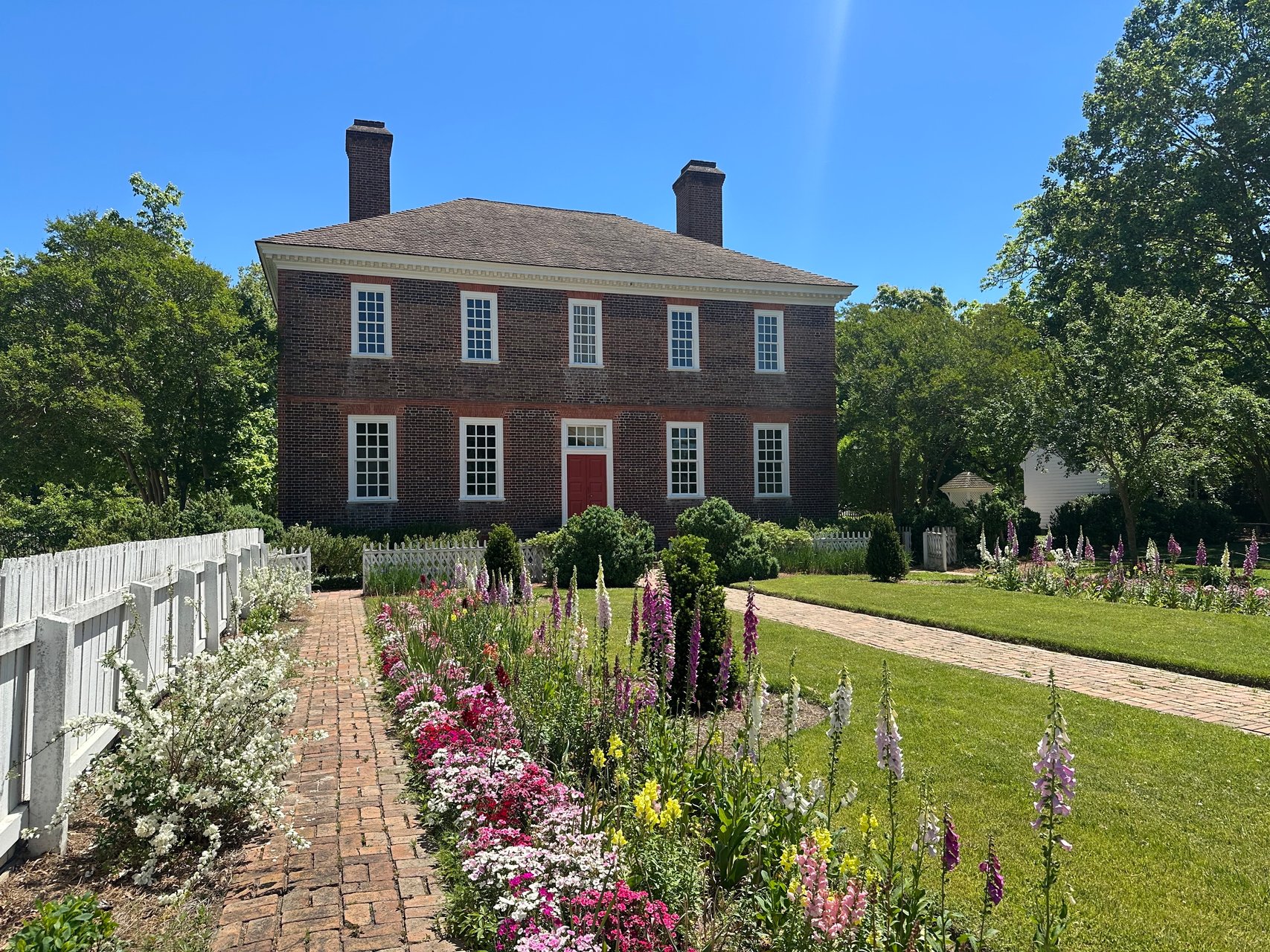
This historic home in Colonial Williamsburg was where George Wythe lived with his wife, Elizabeth. As a member of the gentry class and a signer of the Declaration of Independence, the house served as a hub of education, politics, and social life, illuminating Wythe’s lasting influence on early America.
-
Stop 1. Who was George Wythe?
Built about 1755 by Richard Taliaferro, father of George's wife, Elizabeth, this house may have been a wedding gift for the two. The two‑story house served as their home and hosted numerous law students, long‑term guests, and enslaved people. Recreated by Colonial Williamsburg Foundation, it interprets life an 18th‑century gentry home.
-
Stop 2. The Parlor
The parlor was a multipurpose space that hosted music, dancing, and games around a harpsichord and convertible card table. It also served as a strategic meeting place in 1781 with George Washington and General Lafayette.
-
Stop 3. The Dining Room
The dining room reflects George Wythe's social status where they hosted dinners, debates, and meetings, such as the Enlightenment-era Society for Promotion of Useful Knowledge.
-
Stop 4. The Back Chamber
This chamber likely served as Elizabeth Wythe’s office, as the manager of the household functions. Overlooking the gardens, kitchen, and laundry, it connects domestic management to the enslaved labor that sustained the household. The room may have also served as the summer bed chamber or her private chambers as she dealt with illness until her death in 1789.
-
Stop 5. Mr. Wythe's Office
George Wythe’s office reflects his broad curiosity of the world. The lawyer’s study is filled with not only a vast law library, but also scientific instruments. As an early legal educator, he taught apprentices in a time before formal law schools. George went on to become the first law professor in the United states at the College of William and Mary.
-
Stop 6. The Kitchen Outbuilding
Set apart from the main house, this two-room kitchen was home to the cooking and meal prep, and provided a sleeping space for the enslaved. Lydia Broadnax, a prominent enslaved person on the property, worked closely with George and Elizabeth Wythe and later gained freedom and remained a paid servant to George until the end of his life.
-
Stop 7. The Lumber Room
The Lumber Room served as a storage space in most similar households, but George Wythe likely used it as a teaching space. This is reflected in the staging of the room, with scientific instruments and other materials. The shutters may have also provided a solar microscope.
-
Stop 8. Mr. & Mrs. Wythe’s Bed Chamber
This room served as George and Elizabeth Wythe’s primary bed chamber. After George moved to Richmond in 1791, the house shifted uses until eventually serving as Burton Parish rectory in the 1930s. The room became the main office for Dr. Goodwin as he planned the renovation of Colonial Williamsburg.
-
Stop 9. Labor of Many
George Wythe’s house, once a lived-in domestic space, nurtured his legal and political influence. The museum honors his legacy and the overlooked labor—family, enslaved people, and students—whose contributions enabled his teaching, public service, and lasting impact on early America.
Voices
-
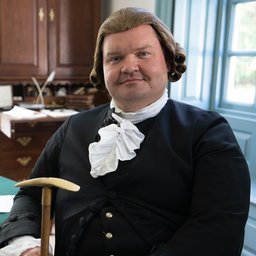
Robert Weathers
George Wythe Nation Builder
Robert Weathers is a member of the Nation Builder Unit at Colonial Williamsburg, portraying George Wythe. Over the past seven years Robert has studied the life of Mr. Wythe through his interests in the law, science, religion, and philosophy—and how each of these categories were influences on his many students, including Thomas Jefferson. You can find Robert regularly performing and interacting with guests in Colonial Williamsburg's Historic Area.
-
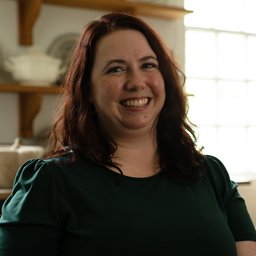
Caitlin Simpson
Supervisor in Historic Interpretation
Caitlin Simpson is a supervisor in the Department of Interpretation at Colonial Williamsburg. She works alongside a team of individuals to bring the original and reconstructed buildings of 18th century Williamsburg to life through engaging conversations, hands-on activities, and programs designed to inspire visitors of all ages. She spends a lot of time with family programming, creating and managing colonial games, and junior volunteers to make sure everyone feels included.
-
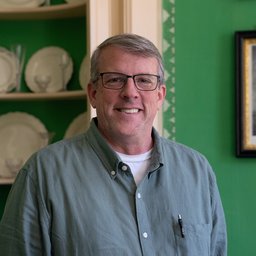
Grahame Long
Former Executive Director, Collections Operations and Historic Interiors
Gallery
Partners


About the Project
CyArk is celebrating America's 250th anniversary story through a collection of immersive experiences that explore three distinct places, three time periods, and three perspectives on the nation’s history. From the founding era of the American Revolution, to the fight for educational opportunity during segregation, to the collective memory and service surrounding September 11th, these projects highlight how individual places can deepen our understanding of the people, values, and struggles that have shaped the United States. Together, the collection reflects the complexity of the American experience while creating new ways for audiences to connect with history through place-based storytelling.
Related Links
Credits
We appreciate the entire staff of the George Wythe House and the Colonial Williamsburg Foundation for working with our team to support the fieldwork. Thank you to each of our interviewees Caitlin Simpson, Grahame Long, and Robert Weathers for dedicating their time and sharing their expertise of George Wythe and those that lived on the property. Also, a special thank you to Governor's Musik for agreeing to feature their musical performances of 17th- and 18th-century works in this Tapestry experience.