Story outline
-
Jabal Moussa
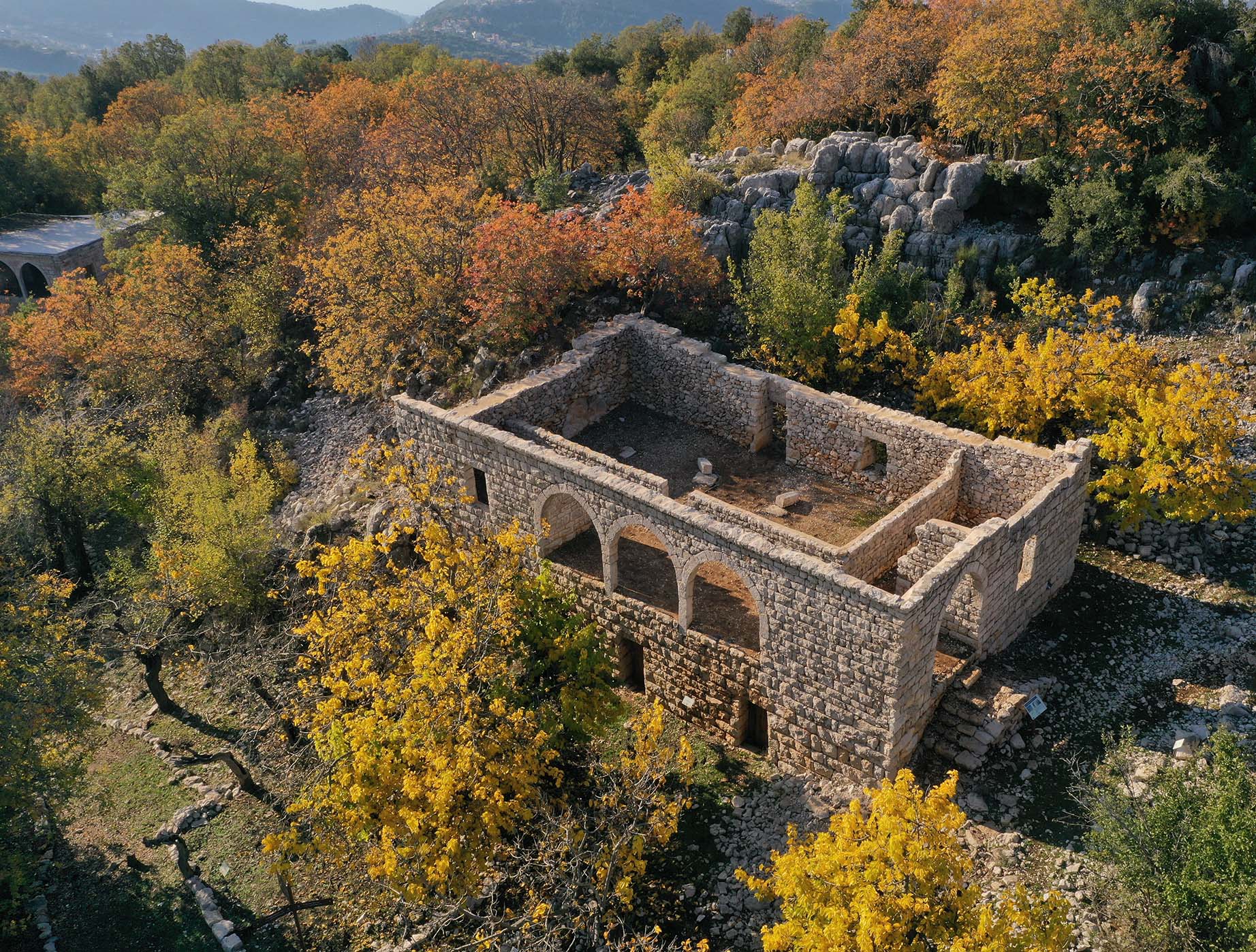
Welcome to the historic Byut site part of the Jabal Moussa Biosphere Reserve in Lebanon. These historic homes highlight traditional methods of building and living with the land in rural mountains communities. -
Stop 1. Cultivating a Sustainable Community
Jabal Moussa, located in Lebanon, is not only renowned for its rich biodiversity and natural beauty but also for its archaeological significance. The area houses several ancient remnants that shed light on the historical human presence and their interaction with the environment. Among these are old trails, traditional stone constructions, and rock inscriptions, bearing witness to the passage and settlement of various civilizations over millennia. -
Stop 2. The People of Jabal Moussa
The Jabal Moussa Biosphere Reserve, located in Lebanon, is an integral area dedicated to conserving the region's rich biodiversity, cultural heritage, and historical sites. Recognized by UNESCO, the reserve not only aims to protect the unique ecosystems and endemic species of the region but also emphasizes sustainable human development and education. -
Stop 3. Building a Home
The people who called Jabal Moussa home relied on the resources around them, such as stone from nearby quarries and wood from local trees, to craft homes that were both functional and suitable for the local landscape. Their architectural choices, from living spaces above livestock shelters to open arched galleries, highlight a practical yet aesthetic lifestyle, deeply rooted in the traditions and wisdom passed down through generations. -
Stop 4. Work & Livelihood
At the Byut site, residents harmoniously intertwined their lives with the bounty of nature, drawing both sustenance and income from the environment. While activities such as charcoaling, beekeeping, and livestock rearing were integral to their daily sustenance, the presence of a mulberry tree beside the home points to the lucrative craft of silk production. -
Stop 5. Foodways
Bread is fundamental in Lebanese cuisine, serving both as a complement to dishes and a tool for scooping dips like hummus. Historically, bread has roots in ancient civilizations, and in Lebanon, it's been a staple for millennia, symbolizing hospitality and community. Its enduring presence reflects both the culinary traditions and deep societal bonds of the Lebanese people. -
Stop 6. The Importance of Water
In archaeological sites throughout Lebanon, including the Jabal Moussa Preserve, water management systems frequently serve as key indicators of past settlements. The presence of aqueducts, cisterns, or terraced landscapes suggests sophisticated strategies employed by ancient inhabitants to harness and distribute water efficiently. -
Stop 7. Community Life
Historically in Lebanon, especially in more isolated mountain communities, weddings served as significant social events that bridged geographical divides and reinforced communal bonds. -
Stop 8. A Sustainable Landscape
Visiting the Jabal Moussa Biosphere Reserve offers a unique opportunity to immerse oneself in Lebanon's rich natural and cultural heritage. To explore this UNESCO-recognized site, visitors can access it via the main entrances situated in the towns around the reserve. There are various well-marked hiking trails that cater to different fitness levels, allowing one to traverse its diverse landscapes.
Voices
-
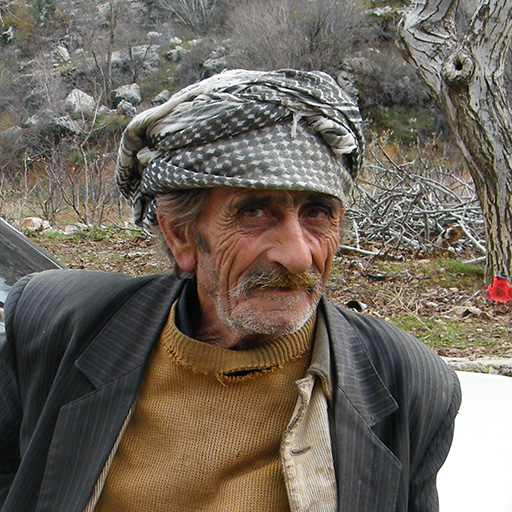
Semaan Khoueiry
Former Resident
From Qehmez village, he was born in 1936 and lived with his family in the 1st House in Jabal Moussa between 1937 and 1963. His family was the last to live in this house. -
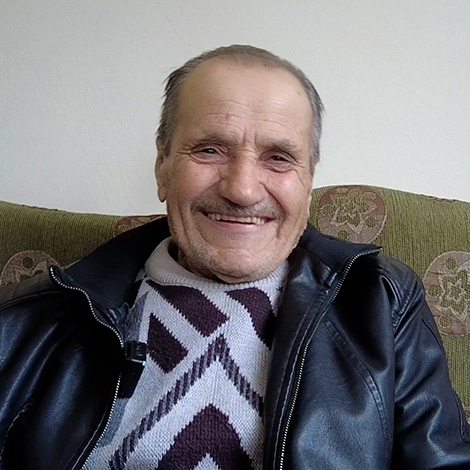
Khalil abi Khalil
Community Member
A farmer from Qehmez village, he was born in 1941 and lived the entire year in the village. He is married to a woman from Qehmez and has 6 children. Also, he used to do charcoaling in Qehmez, and specially in Jabal Moussa. -
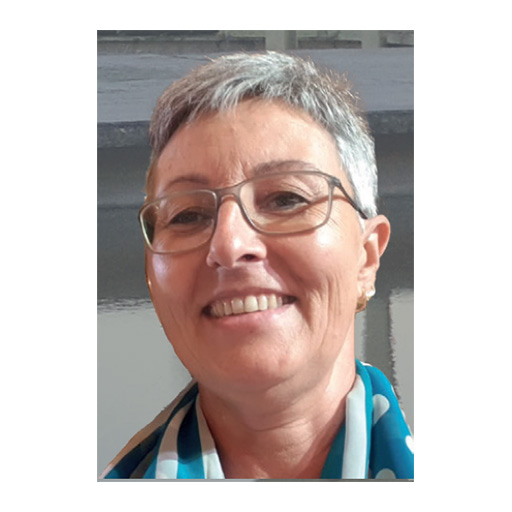
Dr. Yasmine Makaroun Bou Assaf
Architect & Archaeologist
Mrs. Yasmine Makaroun, architect, archaeologist and cultural Expert, President of ICOMOS Lebanon national committee, is an active ICOMOS expert. With 35 years of professional experience in cultural heritage conservation, Yasmine has a strong practice in Lebanon and the Mena region in the heritage field. Mrs.Makaroun holds a Phd in Archaeology from EPHE in Sorbonne-Paris, a Master in Archaeological site Management from Nancy School of Architecture, and a M.Sc in Architecture from the Lebanese University. -
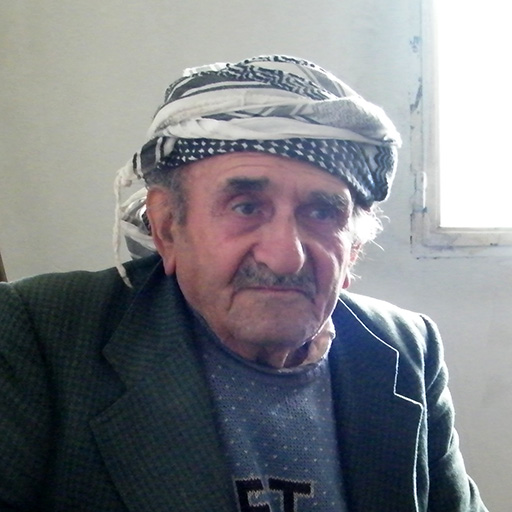
Dib Khoueiry
Former Resident
From Qehmez village, he lived with his family in the 1st House in Jabal Moussa between 1937 and 1963, and was the last family to live in this house. He got married in 1958 and the ceremony took place in his house in Jabal Moussa. -
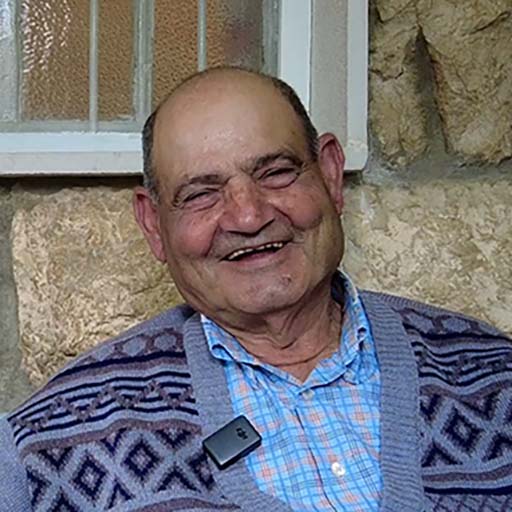
Sarkis Atallah
Community Member
He was born in 1947 in Yahchouch village. He worked in construction, especially in cutting and building stones by hand. His visits to Jabal Moussa were rare, and were limited to visiting his relatives while they were charcoaling. -

Joseph Khalil
Site Guard
Joseph is a farmer from Qehmez village, who works as a guard at Jabal Moussa Biosphere Reserve. He has been writing and singing Zajal poetry since his childhood. He loves this art because it connects him with his roots, land, and ancestors, and he considers it an integral part of his heritage.
Gallery
Partners


About the Project
The Jabal Moussa Biosphere Preserve, located about 50km northeast of Beirut, Lebanon, encompasses the Byut site—a historic and self-sufficient hamlet. This virtual exploration delves into how inhabitants historically adapted to this challenging environment and maintained sustainable living practices that persist today. Insights from former residents and experts, including Semaan Khoueiry and Dr. Yasmine Makaroun Bou Assaf, enrich the narrative.
Credits
This Tapestry tour was created as part of the Community Heritage Exchange Initiative with support from the U.S. State Department.
Related experience
Cliff Palace (Opens in new tab) — Explore a cliff dwelling and hear from descendent communities