Story outline
-
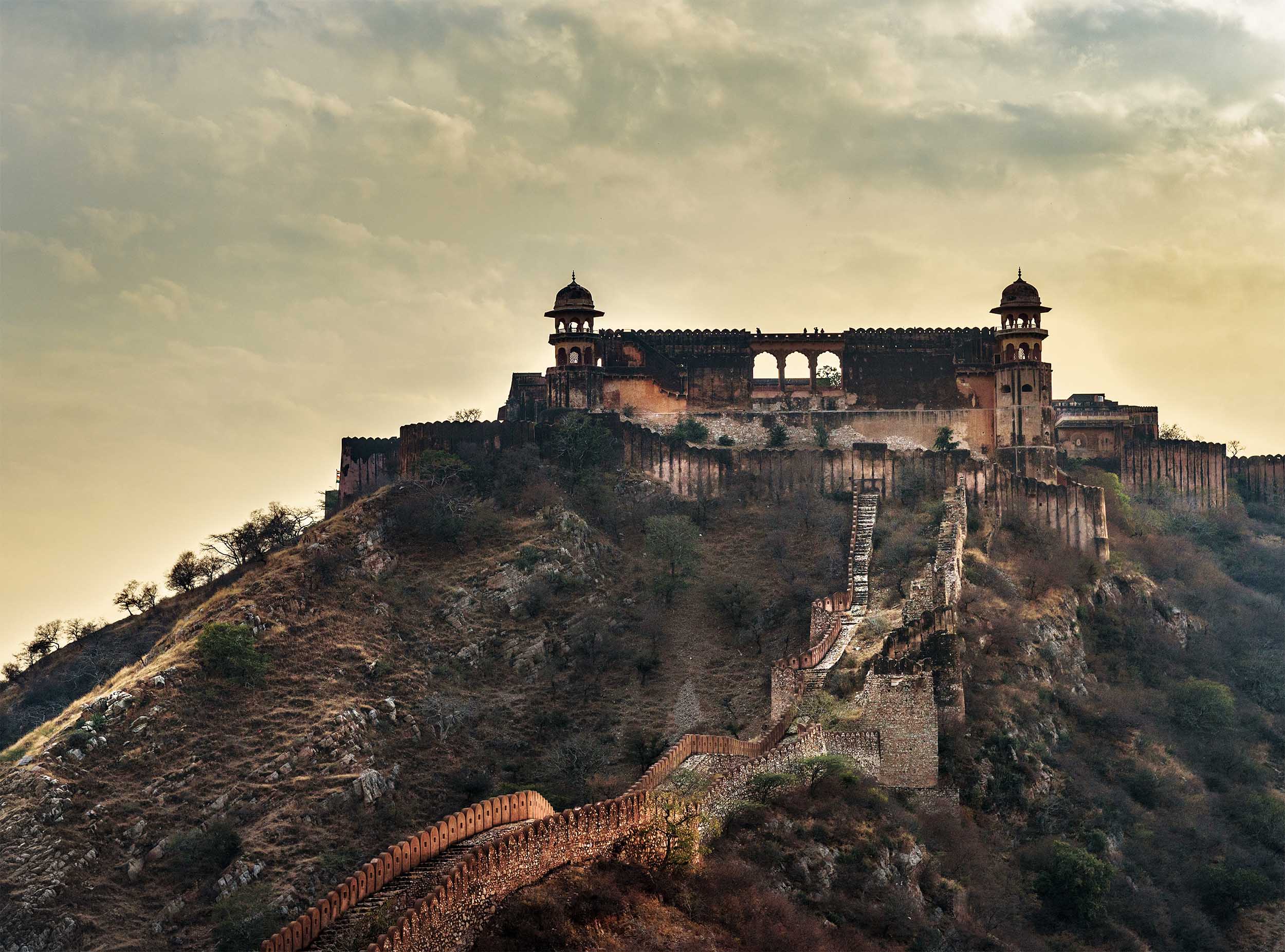
Welcome to Jaigarh Fort: “Cheel Ka Teela”
Welcome to Jaigarh Fort, a marvel of Rajput engineering perched atop the Hill of Eagles, where history and innovation intertwine. As you explore this virtual experience, immerse yourself in the fort’s ingenious water systems, hidden stories, and expert insights that reveal its enduring legacy of strength and sustainability. -
Stop 1. Entering the Fort – Harnessing the Monsoon
Jaigarh Fort’s 300-year-old rainwater harvesting system showcases Rajput engineering, ensuring a year-round water supply for daily life and defense. Today, this legacy endures as traditional conservation methods merge with modern science to preserve the fort’s integrity. -
Stop 2. Storing Water – The Tankas of Jaigarh
Jaigarh Fort’s vast reservoirs ensured water security, even during sieges, through expertly engineered channels and filtration chambers. This centuries-old system remains functional, preserved with traditional masonry techniques. -
Stop 3. Maotha Lake – The Fort’s Lifeline
Maotha Lake, a vital reservoir at Jaigarh Fort’s base, supplied water to Amber Palace through a sophisticated relay system using Persian wheels. As a garrison stronghold, Jaigarh safeguarded both water and people, ensuring survival during sieges while overlooking and protecting the evolving city of Jaipur. -
Stop 4. Distributing Water – The Flow of Daily Life
Jaigarh Fort’s underground water distribution system, sustained by Meena artisans and Rajput engineering, ensured a reliable supply for hammams, kitchens, and gardens. Unlike Amber’s step wells, its network of channels and reservoirs, still maintained today, highlights centuries of strategic water management and resilience. -
Stop 5. Aram Bagh – The Pleasure Garden
Jaigarh’s Aram Bagh exemplifies water’s role beyond survival, enhancing beauty and comfort through lush gardens and cooling channels. Rooted in Persian-inspired design, this carefully maintained landscape continues to shape the fort’s microclimate while preserving its historical grandeur. -
Stop 6. Sagar Lake – The Secondary Reservoir
Sagar Lake, created by damming the Dharbawati River, was a crucial water source for Jaigarh and Amber Forts, storing monsoon runoff from the Aravalli hills. Its strategic design combined gravity-fed aqueducts for efficient distribution with labor-intensive pulley systems. -
Stop 7. Preserving the Legacy – Water Conservation Today
Jaigarh Fort exemplifies the intersection of traditional ingenuity and modern scientific conservation, where Rajput water management techniques are now reinforced by cutting-edge technologies. This fusion of historical wisdom and contemporary research underscores the irreplaceable value of cultural heritage.
Voices
-

Dr. Rima Hooja
Archaeologist and Historian of Rajasthan
Dr. Rima Hooja is an archaeologist, historian, and consultant with a focus on the cultural heritage of Rajasthan. A former Director of Jaigarh Fort, she has contributed extensively to heritage management, research, and academic initiatives, and currently serves as Consultant Director at the Maharaja Sawai Man Singh II Museum in Jaipur. -

Dr. Chandni Chowdhary
Assistant Director of Jaigarh Fort and Conservation Architect
As Assistant Director of Jaigarh Fort, Dr. Chandni Chowdhary oversees daily operations, conservation projects, educational programs, and heritage initiatives. With a background in conservation architecture and storytelling, she also curates immersive heritage walks across Jaipur, bringing the city’s history to life. -
Mahendra
Stonemason at Jaigarh Fort
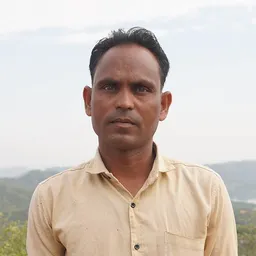
Mahendra is a fourth-generation stonemason specializing in traditional lime plaster, with over a decade of experience in restoring and maintaining the infrastructure of Jaigarh Fort. His expertise continues a lineage of craftsmanship essential to the site's architectural heritage.
Gallery
Partners




About the Project
This virtual tour of Jaigarh Fort, developed in 2025 by researchers and students from the Center for Heritage Conservation at CEPT University, explores the fort’s sophisticated water management systems that sustained it for centuries. Spanning seven stops, the tour highlights the fort’s reservoirs, aqueducts, and rainwater harvesting techniques, showcasing its role as both a military stronghold and a model of sustainable water conservation in Rajasthan’s arid landscape.
Related Links
Credits
This tour was created by researchers and students from the Center for Heritage Conservation at CEPT University, as part of CyArk's Heritage Amplified Grant 2024. This collaboration was generously funded by Iron Mountain with support from The Jaigarh Public Charitable Trust.
Related experience
Elephanta Caves (Opens in new tab) — Remarkable Rock-cut Temple Dedicated to Shiva