Story outline
-
El Kurru & The Tomb of Tanwetamani
Explore a royal cemetery for the kings and queens of ancient Kush in Sudan. -
Stop 1. Welcome to El Kurru
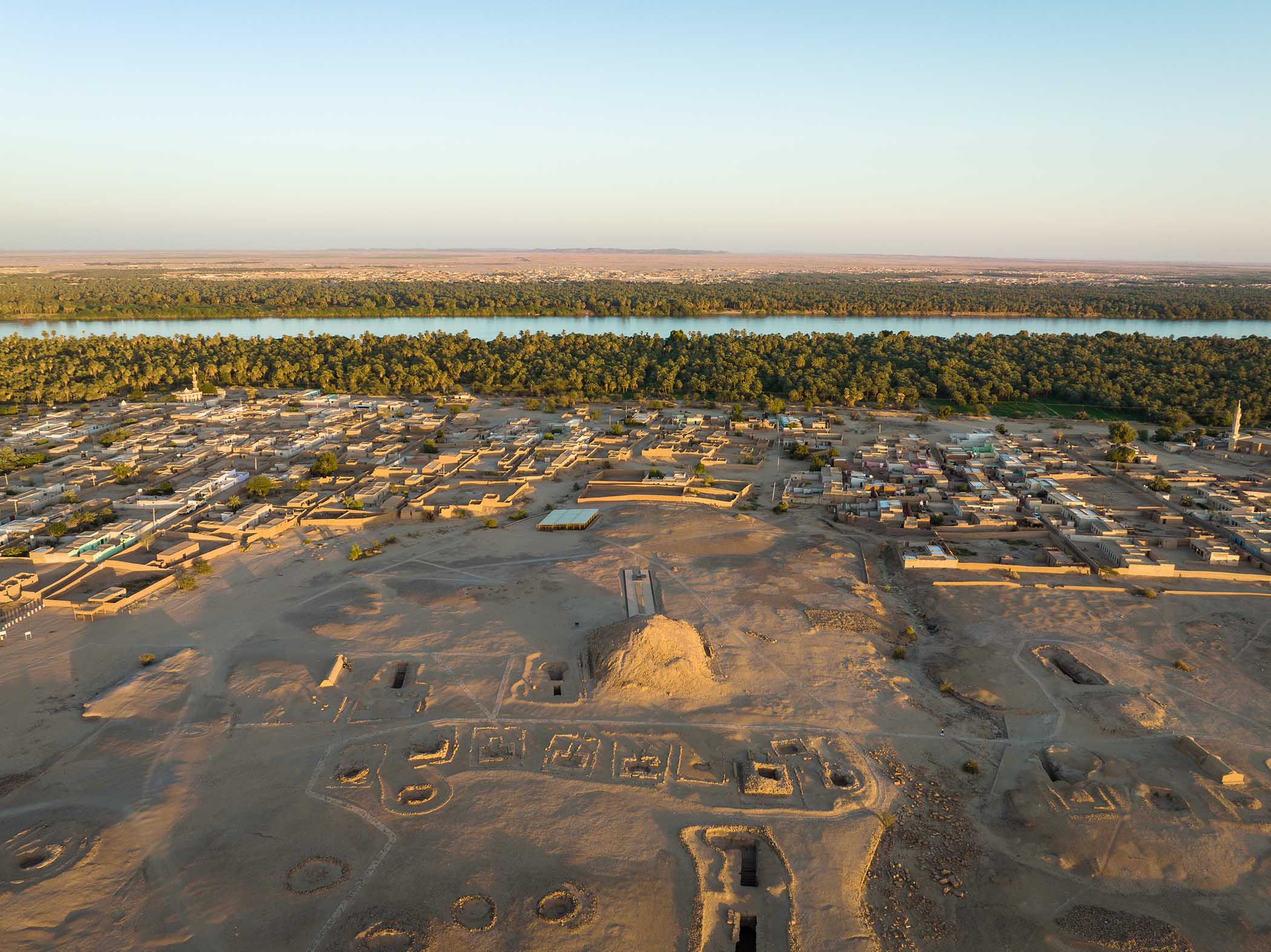
El Kurru is a significant archaeological site due to its profound historical importance as a burial ground for the royal lineage of the ancient Kushite Kingdom, a civilization that profoundly influenced the culture of the entire Nile Valley and beyond. The varied styles of burial, from simple pits to more complex pyramid structures, offer insights into the evolution of funerary practices and the evolving beliefs of the region. -
Stop 2. Kingdom of Kush
The Kingdom of Kush was a powerful kingdom situated in what is now Northern Sudan, alongside the banks of the Nile. Known for its rich culture, strong military, and economic prosperity, the Kushites even ruled as Pharaohs during Egypt's 25th Dynasty, leaving a lasting influence on the region's historical and cultural landscape. -
Stop 3. Ancient Staircase
The archaeological site of El Kurru is characterized by sandy soil and rocks, typical of the Sudanese region of the Nile Valley. The soil composition played a key role in the preservation of the ancient tombs and artifacts buried beneath it. Some of the tombs including the Tomb of King Tanwetamani descend five meters or more below the ground surface. -
Stop 4. Preserved Paintings
Under the rule of Tanwetamani, the Kushites assimilated many elements of Egyptian culture, evident in the art and iconography of his tomb. Tanwetamani is portrayed in conventional pharaonic poses, reflecting the Egyptian influence on Kushite royal representation. Moreover, the use of symbols such as the ankh, a potent Egyptian symbol of life, further illustrates the adoption and integration of Egyptian cultural elements into Kushite society. -
Stop 5. Journey to the Afterlife
The vivid wall paintings in King Tanwetamani's tomb are notably well-preserved, displaying a restrained color palette of red, yellow, blue, white, black, and grey. Archaeologists and conservators are utilizing tools like X-ray fluorescence (XRF) analysis to identify the constituents of these ancient paints. -
Stop 6. A Pure Heart
The judgment scene, also known as the Weighing of the Heart, is a common motif in ancient Egyptian funerary art. In this scene, the deceased's heart is weighed against the feather of Ma'at, the goddess of truth and order. If the heart is lighter or equal in weight to the feather, it indicates that the person led a virtuous life and can proceed to the afterlife. -
Stop 7. Life's Continuity
This symbolic representation illustrates the king's daily voyage, as he follows the path of the sun, beginning in the sun-drenched realm of the living, he traverses into the night sky, symbolizing the domain of the deceased. Each day, the king faithfully follows the cyclical journey of the sun, transitioning between the realms of life and death. -
Stop 8. Rebirth
The Sons of Horus are four gods from ancient Egyptian religion, each responsible for protecting a specific organ of the deceased. Imsety(liver), Duamutef(stomach), Hapi(lungs), Qebehsenuef(intestines). -
Stop 9. Community Stewards
The local community of El-Kurru is deeply involved in preserving the cultural heritage of El Kurru, actively participating in the archaeological undertakings that are helping to forge stronger connections with the legacy of ancient Kush. Their collaboration has been pivotal to these projects, particularly in the 3D documentation and the recording of interviews for this tour. Without their valuable support, such a project would not have been feasible, underlining the indispensable role they play in safeguarding and promoting this heritage.
Voices
-

Ibrahim Sidahmed
Village Resident
Ibrahim Sidahmed is a village resident who has recently returned from Lebanon, where he received a BS in Computer Science from the American University in Beirut. He has worked with the University of Michigan-University of Copenhagen archaeological project at El-Kurru since 2013. -
Jaffar Khidr
Construction Foreman
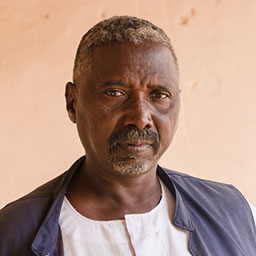
Jaffar Khidr has been a member of the team since 2015. In addition to being a foreman, he is interested in the archeological site's past. He is also a skilled storyteller. -
Mansour Al Hadari
Guide, guardian and builder
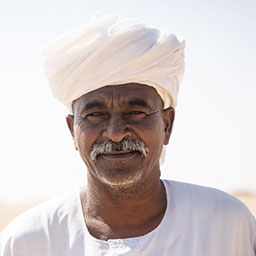
Mansour Al Hadari is one of the guards for the archaeological site and has also been the rais (foreman) of workers for the University of Michigan-University of Copenhagen archaeological project at El-Kurru since 2013.
Gallery
Partners



About the Project
El-Kurru is a village on the Nile in northern Sudan that is also the location of a royal pyramid cemetery of kings and queens of ancient Kush. Residents of El-Kurru today keep gardens along the Nile in which they grow date palms and vegetables and they also raise animals. Some residents are university graduates who have returned home, and most have other skills, whether as builders, musicians, poets, fishermen, or teachers. The village culture is relatively traditional for Islamic Sudan, and while women are active and influential in the community, it was not considered proper for them to appear on film for this tour. The relationship between the village community and the ancient archaeological site is complex. Most people in the village belong to the Shaigiya ethnic group, which considers its roots to be in the Arabian peninsula rather than ancient Kush.
Related Links
Credits
This Tapestry tour was created as part of the Community Heritage Exchange Initiative with support from the U.S. State Department.
Related experience
Church of St. George (Opens in new tab) — The oldest surviving depiction of the Holy Land