Story outline
-
Mule Canyon Village
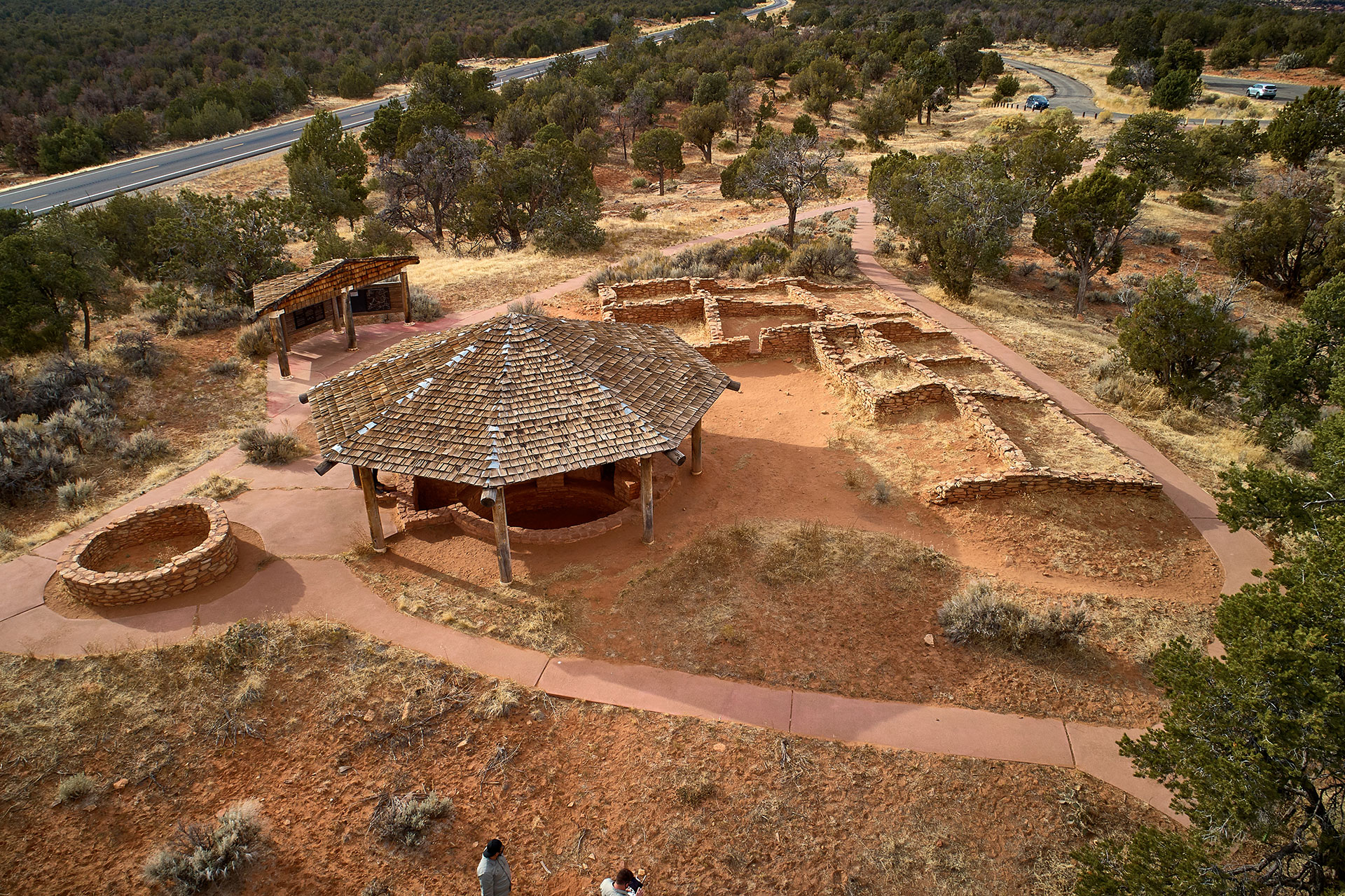
Welcome to Mule Canyon Village, a place where history comes alive. Over a thousand years ago, this was a thriving community—a home to families who lived, worked, and celebrated here. Imagine laughter, gatherings, and the warmth of daily life. Today, it remains sacred to their descendants. Treat this place with respect, as you would a cherished home. -
Stop 1. Daily Life
The people here were farmers, artisans, and storytellers, deeply connected to the the land. They relied on the landscape for building materials, tools, and clothing, adapting to extreme seasonal changes throughout the year. Life here was not easy—and hard work and resiliency were important values for community and survival -
Stop 2. Building a Community
Design and construction required skill and knowledge passed down over generations. Maintenance of the structures would have been an important part of seasonal life at the village. This village is a testament to their hard work and ingenuity, a monument to the power of human collaboration and adaptation. -
Stop 3. The Kiva
At the heart of Mule Canyon Village lies the Kiva, a sacred space important to spiritual and community life. The circular kiva with a keyhole shape is built into the ground and this reconstructed kiva is covered by a roofed structure to help protect the site from the elements. -
Stop 4. Migration
Mule Canyon was likely a home for many communities who migrated throughout the region. After being utilized for over a century, people moved on to different areas, leaving behind sandals, pottery, and other material aspects of life. -
Stop 5. Living Legacy
The people of Mule Canyon did not vanish—their legacy lives on in the descendant communities and Tribal nations throughout the region who carry forward their traditions, songs, and values. -
Stop 6. Sacred Ground
As you explore Mule Canyon, remember that this is a sacred place considered the living home of Pueblo ancestors. The Kiva, the room blocks, and the artifacts you see are not relics of a forgotten past—they are threads connected to living communities. -
Stop 7. Reflections
As you leave this place, take a moment to reflect on their legacy. What can we learn from their resilience? How can we honor their connection with the landscape? Their story is not just history—it is a reminder of what it means to be human, to adapt, and to endure.
Voices
-
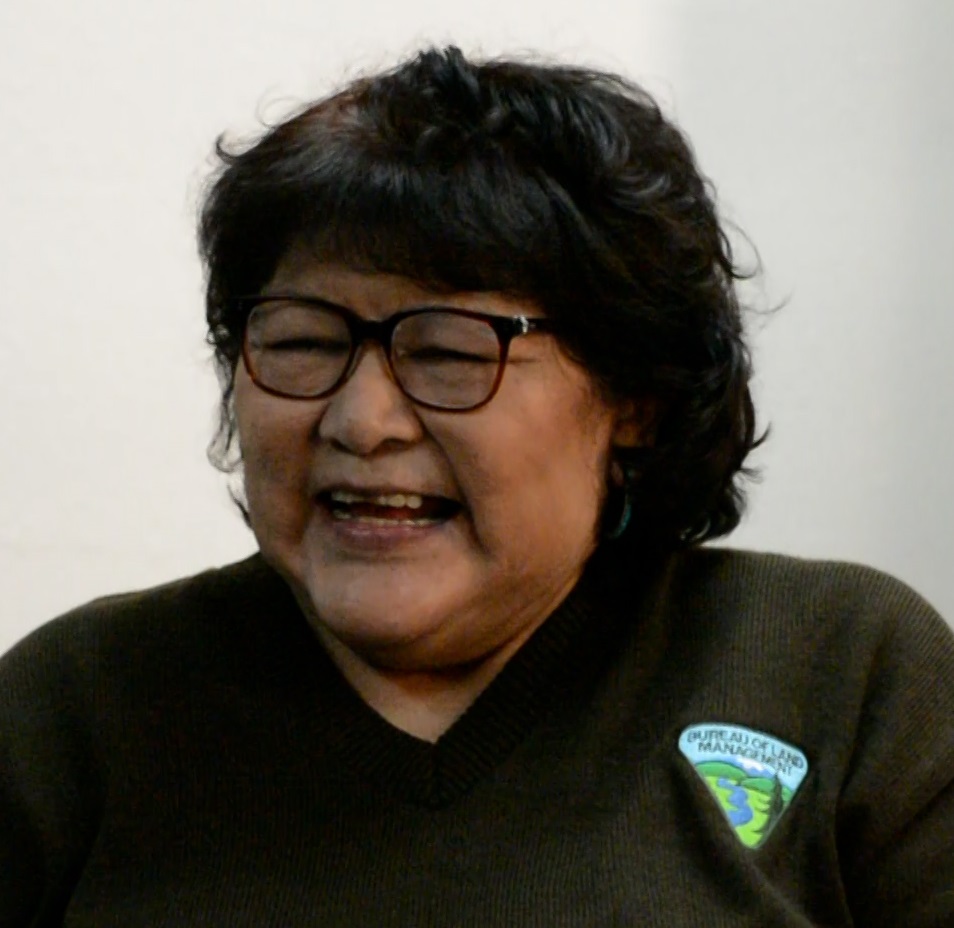
Shirley Cloud-Lane
BLM Native American Coordinator
Shirley Cloud-Lane is a Native American Coordinator with the Bureau of Land Management Monticello Field Office in Utah. Shirley has decades of experience working in the protection and interpretation of Native American cultural heritage including work at the Smithsonian Institution’s National Museum of the American Indian for nine years.
Gallery
Partners

About the Project
Designated a National Monument in 2016, Bears Ears National Monument is home to rich cultural heritage and is sacred to many Native American tribes who continue to utilize the landscape. Located in southeast Utah, visitors to Bears Ears can see the two buttes from which the monument gets its name along with historic ancestral sites among the canyons and pinyon and juniper forests. Two of these ancestral sites, the Mule Canyon Village and House on Fire provide a unique opportunity to learn about Ancestral Pueblo people who have lived at Bears Ears in the past and the connections that their descendants continue to have with this place today.
Related Links
Credits
Lorem ipsum dolor sit amet, consectetur adipiscing elit.