Story outline
-
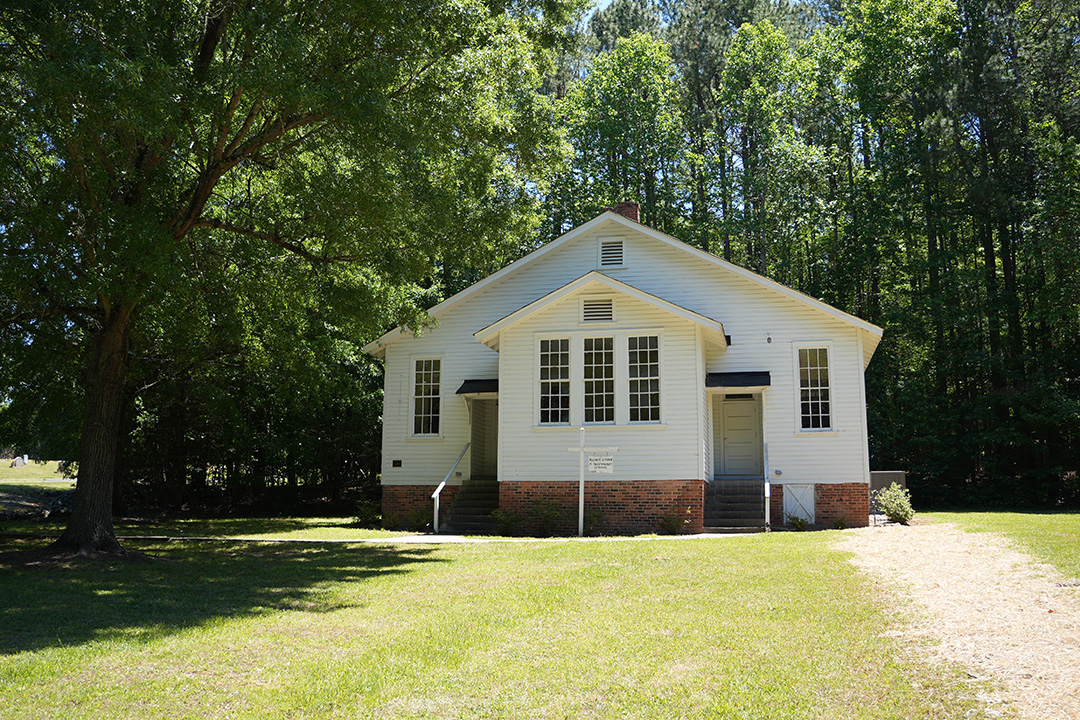
Welcome to the Historic Russell School
The Historic Russell School represents the thousands of Rosenwald Schools that were built in the era of Jim Crow, where community-driven dedication provided accessible and valuable education to Black children across the Southern United States.
-
Stop 1. The Rosenwald School Network
Rosenwald Schools, initially funded by Julius Rosenwald and guided by Booker T. Washington, were built to provide education to Black students across the Southern United States. The Historic Russell School is the last remaining Rosenwald School in North Carolina's Durham County.
-
Stop 2. Importance of the Land
Rosenwald School sites required two acres and public road access, shaping rural learning. Surrounding woods and yards offered outdoor classrooms, nature study, agricultural lessons, and ample space for play and recess.
-
Stop 3. Architectural Layout
The Russell School follows a typical Rosenwald two-room plan, with tall windows admitting natural light. Inside are the original, secondhand chalkboards, and replica corner stoves once tended by students. Today, framed photos link it to other Durham County Rosenwald Schools, highlighting shared design and heritage.
-
Stop 4. Student Curriculum
The movable partition once divided schoolhouse into two classrooms. Students' curriculum included reading, writing, math, basic science, and vocational classes such as sewing, canning, and animal care. Jeanes-trained teachers, supported by Anna T. Jeanes, were crucial to Rosenwald schools.
-
Stop 5. Community Support
Community support—financial, clothing, medical, and culinary—sustained Russell School. Today, it remains a vital part of the community, preserved by Cain’s Chapel, which owns the property, and ongoing support from the Friends of the Russell Rosenwald School organization.
-
Stop 6. Generational Impact
Russell School students were often the first-generation of students to gain formal education. This was made possible through collective sacrifice and donations from the surrounding community—often enabling future generations to pursue further education and build successful careers.
-
Stop 7. Continuing Legacy
Closed in 1945, the Russell School stands as a testament to Rosenwald schools and community-driven education before Brown v. Board of Education. Its preservation underscores ongoing struggles for equitable schooling and honors local efforts to create learning opportunities.
Voices
-
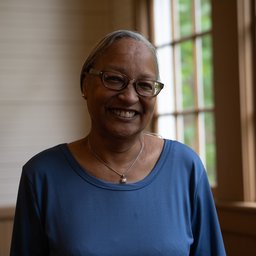
Valinda Littlefield
Professor of History, University of South Carolina; Interim Director of USC Beaufort’s Institute for the Study of the Reconstruction Era
Dr. Valinda W. Littlefield is an Associate Professor Emerita of History at the University of South Carolina and Interim Director of USC Beaufort’s Institute for the Study of the Reconstruction Era. Her research focuses on African American history, women’s history, and education in the American South, with particular emphasis on the experiences of Black women educators during the Jim Crow era.
-
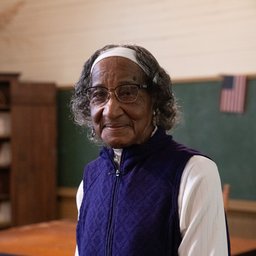
Bessie Pearly
Russell School Alumna
Bessie Whitted Pearly is an alumna of the Historic Russell School in Durham County, North Carolina, where she attended from 1939 until the school closed in 1945. Through interviews and public events, she has shared her firsthand memories of attending school during segregation, helping preserve the history of the Russell School and the important role it played in providing educational opportunities for African American children.
-
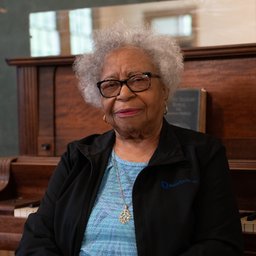
Maedell Gattis
Russell School Alumna
Maedell Gattis is an alumna of the Historic Russell School in Durham County, North Carolina, where she received her early education during the era of segregation. She went on to work at Duke University Medical Center for more than 35 years and has shared her memories of the Russell School, emphasizing the importance of education, community, and the foundation the school provided for her life and career.
-
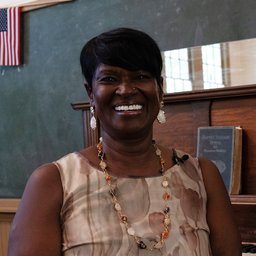
Phyllis Mack Horton
Chair of Board of Directors, Friends of the Russell Rosenwald School
Phyllis Mack Horton is Chair of the Board of Directors of the Friends of the Russell Rosenwald School, where she leads efforts to preserve and share the history of the last surviving Rosenwald school in Durham County, North Carolina. With deep family connections to the school, including grandparents who attended it, she has been a dedicated advocate for its preservation, community engagement, and educational programming, ensuring that its legacy and role in African American education are passed on to future generations.
Gallery
Partners


About the Project
CyArk is celebrating America's 250th anniversary story through a collection of immersive experiences that explore three distinct places, three time periods, and three perspectives on the nation’s history. From the founding era of the American Revolution, to the fight for educational opportunity during segregation, to the collective memory and service surrounding September 11th, these projects highlight how individual places can deepen our understanding of the people, values, and struggles that have shaped the United States. Together, the collection reflects the complexity of the American experience while creating new ways for audiences to connect with history through place-based storytelling.
Related Links
Credits
We appreciate the support from our partners at North Carolina State College of Education and the Friends of Russell Rosenwald School. Special thank you to our interviewees, Dr. Valinda Littlefield, Phyllis Mack Horton, and Russell School alumnae Bessie Pearly and Maedell Grattis for sharing their expertise as well as their personal stories on camera. Thank you to the congregation of Cane Creek Church for all of their hospitality while our team was on-site.