Story outline
-
Stonewall National Monument
Christopher Park and the Stonewall Inn commemorate the 1969 uprising that galvanized LGBTQ communities. Sparked by a police raid, the resistance helped catalyze activism, new organizations, and Pride marches, transforming Christopher Street into an enduring global symbol of visibility and liberation. -
Stop 1. Christopher Park and the Village
Christopher Park marks the site across from the Stonewall Inn where Greenwich Village’s vibrant, diverse communities gathered. In June 1969, a police raid sparked multi-night uprisings here, catalyzing a new era of LGBTQ activism and civil rights nationwide. -
Stop 2. The Stonewall Inn
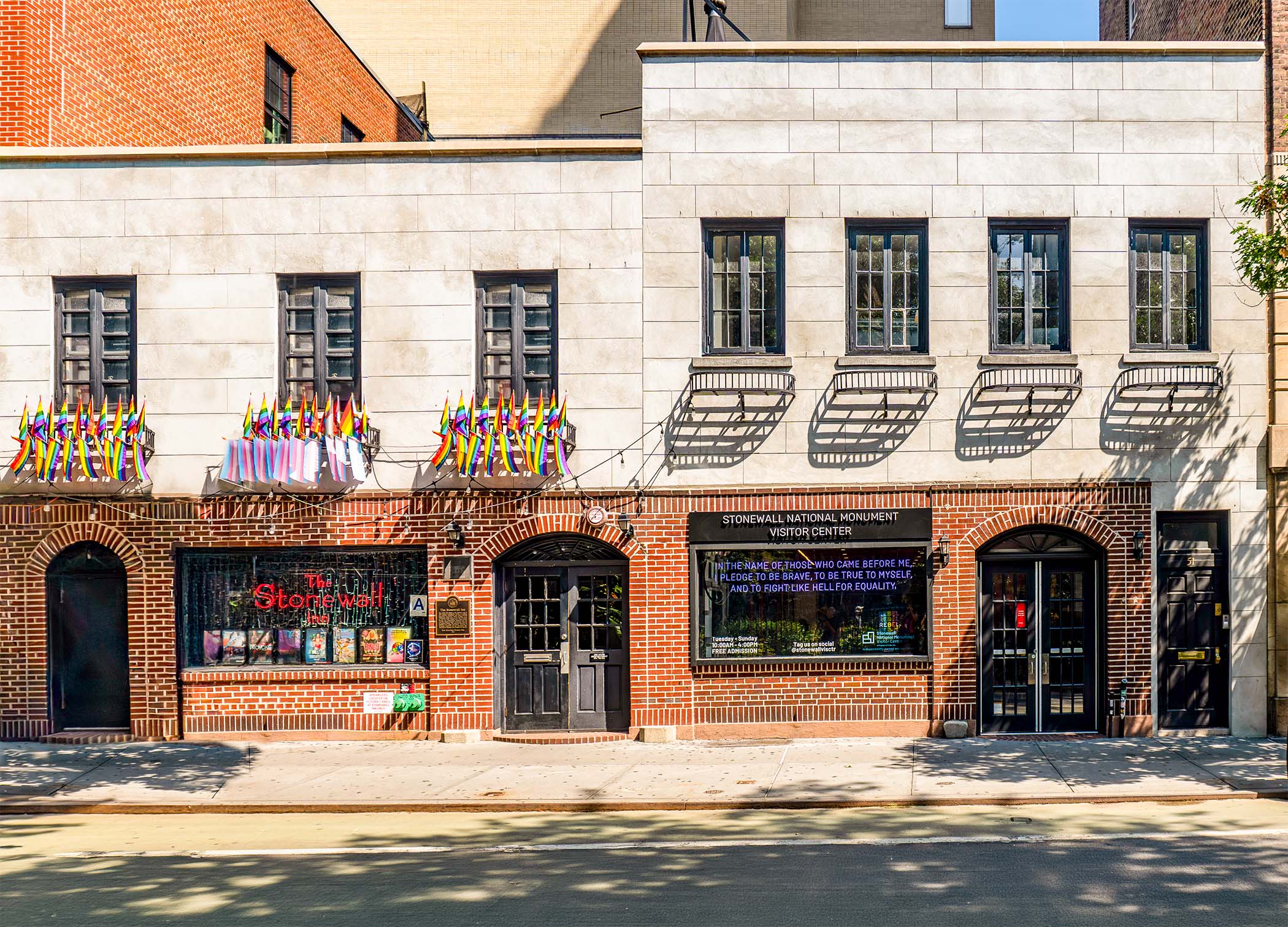
In June 1969, a police raid on the Stonewall Inn ignited nights of resistance in Greenwich Village. Patrons and neighbors fought back against routine harassment, sparking a broader LGBTQ movement that transformed oppression into organized, enduring demands for rights and recognition. -
Stop 3. Inside the Bar
This room evokes the makeshift, crowded Stonewall Inn of 1969—a rare sanctuary where gay men, lesbians, drag queens, transgender people, and street youth gathered. It recalls police harassment, community resistance, and the uprising that was a key turning point in the LGBTQ rights movement.
-
Stop 4. The Dance Floor and the Raid
This spot marks Stonewall’s original dance floor, where a June 28, 1969 raid ignited sustained resistance. Sparked by years of harassment and exclusion, the uprising transformed frustration into collective resistance and became a pivotal turning point in the LGBTQ rights movement.
-
Stop 5. Streets of Resistance
Greenwich Village's irregular streets helped shape the Stonewall uprising. Local knowledge allowed protesters to move swiftly through irregular street pattern and outmaneuver police. The resistance spread beyond the bar into surrounding area. Today, Christopher Park sits at the heart of the Stonewall National Monument, surrounded by privately owned landmarked buildings.
-
Stop 6. The First Pride March
One year after Stonewall, the June 28, 1970 Christopher Street Liberation Day March transformed queer protest into visible, unapologetic civic action. Beginning at Sheridan Square and heading to Central Park, it launched New York’s Pride tradition and inspired global movements for equal rights. -
Stop 7. The Mattachine Society
At 59 Christopher Street, the Mattachine Society operated nearby, pioneering early gay rights activism. In the 1950s–60s these “homophile” advocates bravely challenged laws and stigma, asserting the right to live openly—laying foundations for the post-Stonewall liberation movement. -
Stop 8. Gay Liberation
George Segal’s Gay Liberation in Christopher Park presents four everyday figures, asserting LGBTQ presence and ordinary life. Its reception—both affirmation and critique—reflects debates over representation and memory. Stonewall National Monument invites reflection on civil rights, visibility, and belonging.
Voices
-

Ken Lustbader
Co-Director of the NYC LGBTQ Historic Sites Project
-

Kurt Kelly & Stacy Lentz
Co-Owners of the Stonewall Inn
Gallery
Partners


About the Project
To commemorate the 50th anniversary of the Stonewall uprising, CyArk documented the Stonewall Inn National Monument Site in March, 2019. The project, the first of its kind to detail an LGBTQ historic site, employed 3D mapping technology including LiDAR laser scanners and photogrammetry to create a sub-centimeter, detailed record of the site as it exists today. CyArk's three-person mapping team captured exteriors of the park, the exterior of nearby buildings on Christopher street, and the exterior and interior of the Stonewall Inn bar. This record will aid in the preservation of the national monument and make this important part of history accessible to visitors across the globe, for generations to come.
Related Links
Credits
The narrative for this experience was co-created with the NYC LGBT Historic Sites Project and was made possible through the generous support of Iron Mountain.