Story outline
-
Totem Bight State Historical Park
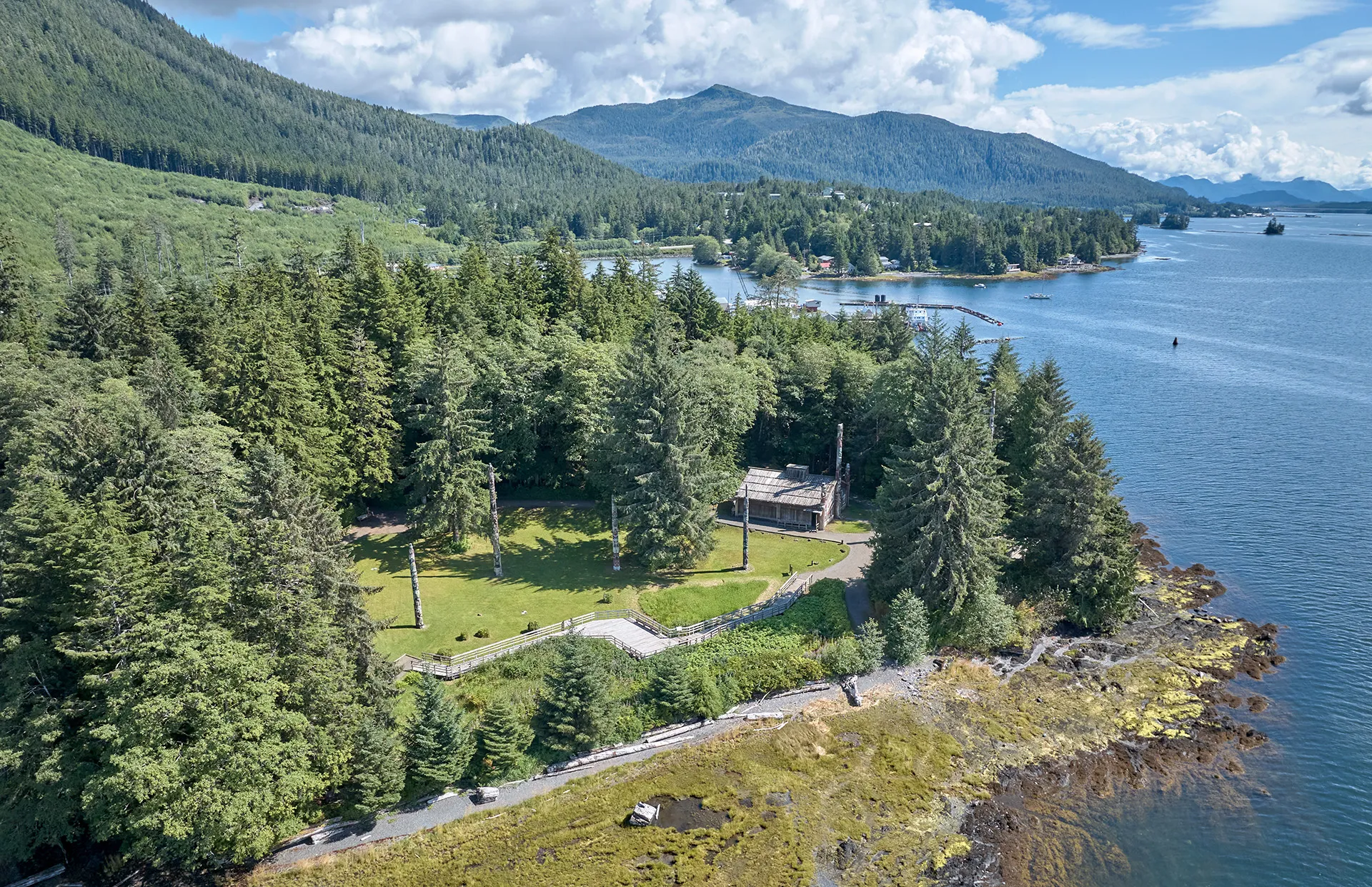
Part of a New Deal government project, Totem Bight State Historical Park is a living place where totem poles created by Tlingit and Haida people carry on Indigenous histories and relationships with the land that have existed since time immemorial. -
Stop 1. Place of Balance
As you enter Totem Bight, this place reflects centuries of Indigenous connection and balance with the land. Once a fish camp for Tlingit people and later home to Haida and Tsimshian communities, the park’s totem poles and clan house show how cultural practices endured and were revitalized. -
Stop 2. A Model Village
At Totem Bight you will see the clan house and totem poles of a government-designed “model village” created during the New Deal. Built with CCC funding, Tlingit and Haida men restored and recreated poles from abandoned villages, reflecting both cultures and many pole types, from story and memorial poles to house poles. -
Stop 3. Lineages Past, Present, and Future
Entering the clan house, the levels reflect Tlingit and Haida social structure, with higher-status families living towards the back. Clan houses are part of understanding clan lineages passed down matrilineally. Clans belong to Raven or Eagle moieties, reciprocal groups that maintain balance and support. -
Stop 4. Carving Totem Poles
The Restoration House supports carving and restoring totem poles, a practice central to Tlingit and Haida social balance. Though government-sponsored carving in the 1930s was controversial, carvers like Haida John Wallace and Tlingit Charles Brown used the opportunity to revive traditions. New generations continue this work today. -
Stop 5. Pillars of Community: Story Poles
Totem poles are living records of clan stories in Tlingit, Haida, and Tsimshian cultures. Carved with crests like raven, bear, or killer whale, they represent house groups and ancestors. Only certain people have the authority to share these stories. -
Stop 6. Remembering People and Events
Totem Bight includes memorial and grave marker poles. Memorial poles, like the Halibut Pole, are raised after a clan leader’s death to transfer titles to a successor. Grave marker poles mark burial sites of high-ranking clan members, often holding remains within the pole itself. -
Stop 7. Ceremonial Life
When a totem pole is finished, it is commemorated during a pole-raising ceremony hosted by the patron. Witnesses from the opposite moiety attend as clan leaders share stories and crests. Hosting ceremonies and commissioning poles brings honor, and while practices have changed, pole-raising ceremonies continue today. -
Stop 8. Passing Down Knowledge
Totem Bight is a vital cultural site for Tlingit and Haida communities and those interested in learning more about Alaska Native culture. Today, master carvers mentor apprentices, preserving stories, traditions, and ceremonies. Visitors are urged to show respect and help protect this living heritage. -
Stop 9. Looking Forward
Thank you for visiting Totem Bight State Historical Park. This place remains deeply meaningful for Tlingit and Haida people who created the totem poles and carry on their living stories, names, and songs. We encourage you to visit this place and learn more about Tlingit and Haida culture.
Voices
-
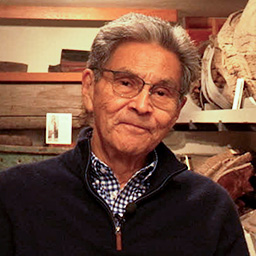
Lee Wallace
Haida Master Carver
-
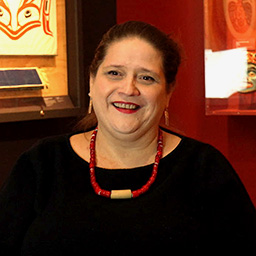
Gloria Burns
Ketchikan Indian Community President
-
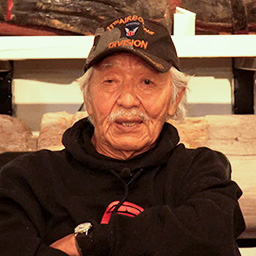
Nathan Jackson
Tlingit Master Carver
Gallery
Partners



About the Project
In collaboration with Alaska State Parks and the Ketchikan Indian Community, CyArk digitally documented Totem Bight State Historical Park to create a freely accessible virtual Tapestry experience. In this experience, you can explore the park which was created in the 1930s through a Great Depression-era program that hired Tlingit and Haida men to restore totem poles from their ancestral villages for several regional “totem parks.” The virtual experience allows opportunities to hear from Tlingit and Haida community members who maintain ongoing connections to this place and the totem poles. This project was made possible through CyArk’s Heritage Amplified grant program generously supported by Iron Mountain.
Related Links
Credits
This virtual experience is narrated by Kalaax̱ Tláa, Irene Dundas Tlingit, Tsaagwedi, Keex.Kwaan from the House that Anchored the Village. Thank you to Dr. Emily Moore, author of Proud Raven, Panting Wolf: Carving Alaska's New Deal Totem Parks for your writing and editing contributions. Thank you to the Totem Heritage Center and KRDB radio station for use of your spaces. This project was made possible through the generous support of Iron Mountain.