Story outline
-
Bernard Zakheim Murals
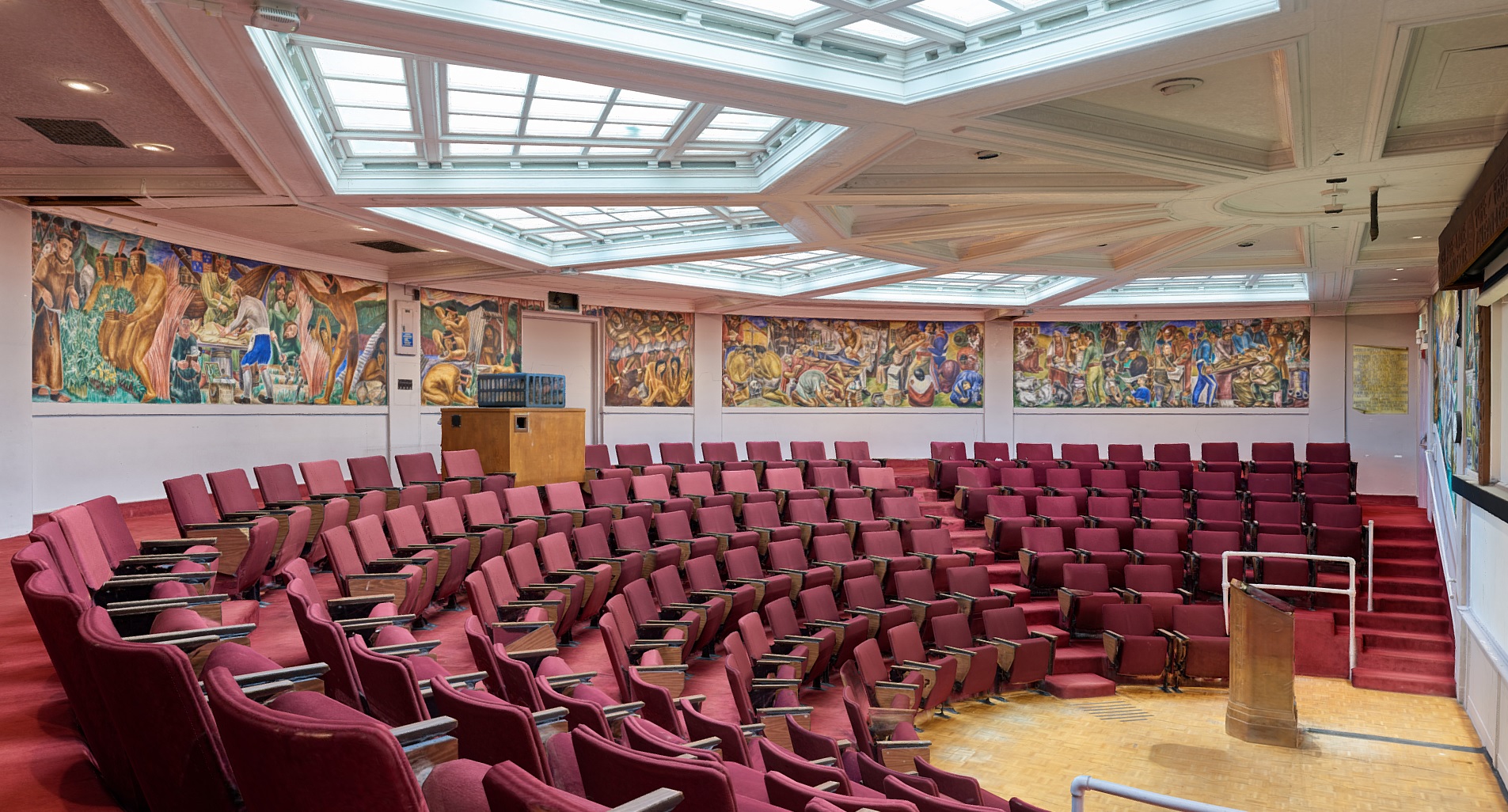
New-Deal era murals depicting the history of medicine in California that once adorned the walls of Toland Hall at UC San Francisco. -
Stop 1. Introducing Toland Hall
This virtual experience shows UCSF’s Toland Hall and its 1936–38 New Deal–era fresco murals by Bernard Zakheim, depicting the history of medicine in California. Commissioned to brighten the hall and inspire students, the murals were once later covered and later restored. -
Stop 2. Bernard Zakheim
Bernard Zakheim (1896–1985), born in Warsaw, survived WWI combat and imprisonment, shaping his focus on human suffering and justice. After immigrating to San Francisco, he trained as a muralist, worked with Diego Rivera, and became a key New Deal–era artist, creating UCSF’s frescoes and other public murals. -
Stop 3. Doctors of the Gold Rush Period
This panel shows Gold Rush–era medical chaos, when many doctors lacked formal training, used herbal or “snake oil” cures, and worked without anesthesia. Amid rapid population growth, failed miner Dr. Hugh H. Toland built a medical empire, founding Toland Medical College in 1864, the precursor to UCSF. -
Stop 4. European Colonization of California
This panel portrays frontier-era medicine amid Spanish, Mexican, and American colonization, showing suffering caused by exploration. Through scenes of Peg Leg Smith’s self-amputation, Dr. Soler’s lifesaving surgery, and the Anza Expedition, Zakheim critiques colonization, suggesting civilization itself can be a disease. -
Stop 5. Early European Contact
This panel shows early European contact in California: a knowledge exchange between Indigenous healers and Junípero Serra, Sir Francis Drake overseeing California’s first recorded autopsy, and Indigenous ceremonial healing rituals, highlighting survival, disease, and medical traditions that predate European arrival. -
Stop 6. Indigenous Medicine
This central panel opens the Toland Hall murals, depicting Indigenous California medical practices before European contact. Scenes show wound care, herbal remedies, and childbirth rituals. It marks the chronological start of the story and divides the murals into Northern and Southern California histories. -
Stop 7. Medicine in Spanish and Mexican California
This panel depicts disease and suffering in Southern California during early European colonization. In a triptych, Zakheim shows Indigenous people under forced Christian prayer, ravaged by violence and disease, and California’s first hospital (1769), where Dr. Don Pedro Prat treats scurvy victims of the Portolá Expedition. -
Stop 8. Pioneer Doctors of Southern California
This panel highlights pioneers who advanced scientific medicine in Southern California. Scenes show Drs. John Marsh and Richard Den practicing in the 1830s–40s, and healers Cephas Bard, Biddy Mason, John S. Griffin, and Joseph Widney treating disease, sharing herbal knowledge, and building medical institutions in early Los Angeles. -
Stop 9. San Francisco’s Medical History
This panel shows early struggles of modern medicine in San Francisco, addressing professional rivalries, racism in public health, and institution building. Scenes depict the 1856 Sponge Case, the 1900 plague outbreak and scapegoating of Chinatown, and reformers like Dr. Chauncey Leake advocating rational, scientific medicine. -
Stop 10. University of California Medical School
This panel honors early UC Medical School figures, blending Toland Hall’s architecture with portraits of pioneers like Dr. Lucy Wanzer, Dr. Langley Porter, and Dr. Saxton Pope. A central scroll urges students to continue their legacy, linking past contributions to the ongoing growth of California’s medical history. -
Stop 11. Hooper Foundation
This panel highlights UCSF’s G.W. Hooper Research Foundation, established in 1913 through a $1M bequest, as an early hub of medical research. Scenes show studies on shellfish toxicity, Weil’s disease, botulism, and auditory nerve mapping, reflecting the foundation’s lasting impact on public health and medical innovation. -
Stop 12. Future of Science
This panel depicts the machinery of science, powered by human effort and built on the foundations of thinkers like Galileo and Pasteur. It shows science’s potential for both benefit and harm, urging students to consider the ethical consequences of their work. -
Stop 13. Cole Hall: Ancient Medicine
Before Toland Hall, Zakheim painted Cole Hall murals contrasting ancient and modern medicine. "Ancient Medicine" shows chaotic, brutal practices, rituals, trepanning, alchemy, and critiques both historical superstition and contemporary figures like Mussolini and Hearst, blending social commentary with medical history. -
Stop 14. Cole Hall: Modern Medicine
Zakheim’s Cole Hall panels contrast medicine past and present: "Modern Medicine" depicts calm, scientific practices including X-rays, preventive care, and aseptic surgery. This triumphs over superstitious, and brutal ancient methods, while honoring contemporary UCSF faculty, students, and Zakheim’s own family. -
Stop 15. Explore the History of Medicine
Thank you for exploring the Bernard Zakheim Murals virtual experience. We hope you gained new insight about the diverse histories of medicine and its interpretation through art and encourage you to continue your exploration of how the history of medicine continues to shape our world today
Voices
-
Aaron Jackson, PhD
Former Graduate Student, UCSF
UCSF
Former graduate student in the History of Health Sciences program, UCSF Department of Humanities and Social Sciences. -
Kathleen Hennessy
Former Art Director for Visual Storytelling, UCSF
Office of Communication, UCSF
-
Alejandra Rincón, PhD
Assistant Vice-Chancellor and Chief of Staff for the Office of Opportunity and Outreach, UCSF
UCSF
-
Erik Wieland
Technology Leader, UCSF
IT Department, UCSF
-
Cheryl Cox
Great Great Great Great Granddaughter of Biddy Mason
-
Dr. Andre Campbell
Professor of Surgery, UCSF
School of Medicine, UCSF
-
Dr. Renee Chapman Navarro
Vice Chancellor of Opportunity and Outreach, UCSF
Opportunity and Outreach, UCSF
-
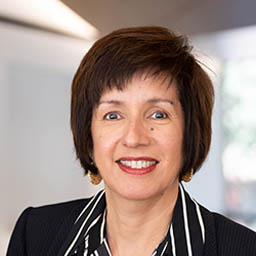
Lisa Cisneros
Former Executive Director of Internal Communications, UCSF
Office of Communications, UCSF
-
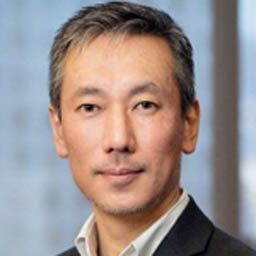
Won Ha
Vice Chancellor of Communications, UCSF
UCSF
Gallery
Partners
About the Project
UC San Francisco is pleased to present this digital experience for viewing a collection of New Deal-era murals by the Polish-born artist Bernard Zakheim. The collection features a 10-panel mural titled the "History of Medicine," which was carefully removed from a seismically outdated building and placed in safe, climate-controlled storage. These murals will be publicly displayed again when a new location for their exhibition has been determined. Before Toland Hall, Zakheim painted Cole Hall murals contrasting ancient and modern medicine, these are currently located in the Health Science West building on UCSF Parnassus campus.
Related Links
Credits
Thank you to the UCSF narrators for guiding this experience.