Story outline
-
Fujairah Fort
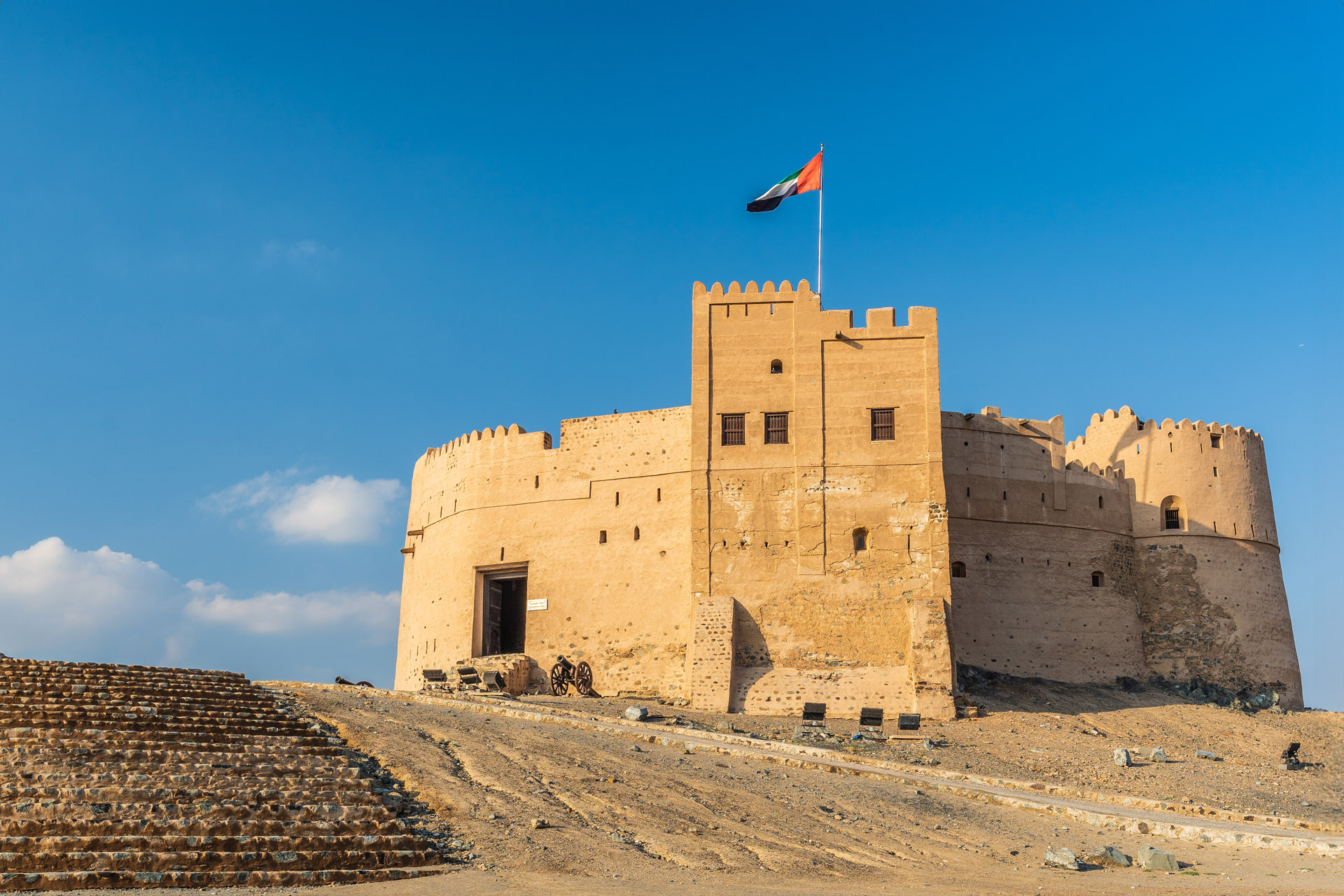
The Fujairah Fort restoration project began in 1997 and represents one of the UAE's most extensive conservation efforts. Led by engineers and archaeologists, the aim was to authentically restore the fort and surrounding structures using traditional materials and methods. The Fort which dates back to the 16th century is situated within a larger architectural ensemble that includes traditional homes, a mosque, a recreated village, and the residences of the Sharqiyin royal family. These places represent a vibrant center for cultural exchange and invite global visitors to explore and appreciate Fujairah's rich cultural heritage. -
Stop 1. Entering the Fujairah Fort
The traditional architecture of Fujairah utilizes locally-sourced materials. Traditional elements include rocks, mudbricks, mortar, and sarooj, a lime-based plaster used for waterproofing. Buildings were further reinforced with mangrove poles and date palm trunks, utilizing palm fiber rope for binding. -
Stop 2. Narrow corridors
The restoration of Fujairah Fort was a monumental project that breathed new life into one of the UAE's most significant historical landmarks. Upon completion, the project not only preserved the architectural heritage of the region but also reignited a sense of pride within the community -
Stop 3. The Courtyard and Defense
Although Fujairah Fort is now a world-class tourist destination, it was originally an impressive monument designed to defend the Emirate, patrolled by soldiers. Many of the narrow defensive openings are still visible from the courtyard, reminding visitors of its historical role in safeguarding Fujairah. -
Stop 4. Madbasa - Date Molasses Room
The cultivation of date palms, a practice deeply rooted in the emirate's history, thrives in its arid climate, providing not only a staple food source but also materials for building and crafts. -
Stop 5. The Northern Tower
The modern cityscape of Fujairah, with its towering skyline, provides a stunning contrast to the natural landscapes. The Emirate is home to incredible mountain ranges, fertile valleys, and amazing beaches. These natural resources have supported the people of Fujairah for generations, reflecting a harmonious blend of tradition and progress. -
Stop 6. Home of the Sheikh
The Al Sharqi family, the ruling dynasty of Fujairah, has played a pivotal role in the emirate's development and prosperity. Known for their strong leadership and vision, the family has guided Fujairah through significant transformations, balancing modernization with the preservation of cultural heritage. -
Stop 7. Community Architecture
With open doors to all visitors, the previous residence of Sheikh Abdallah bin Hamdan welcomes everyone without exception and urges them to take part in exploring and experiencing first-hand how life was once lived. -
Stop 8. Religion and Community
A place of worship's purpose is not merely reserved to praise God but to make sure that our community brethren are well taken care off too, for it is by righteous intentions and good actions that prayers may be answered -
Stop 9. The Sablah - Community Mediation
Many aspects of Emirati heritage, including the Sablah, have been documented as part of ongoing efforts to preserve the UAE's intangible heritage. These traditions reflect community values and the close connection between all community members, reinforcing family and tribal ties. -
Stop 10. Conclusion
Words fail to do justice to this historical monument, for it is only by the sensation of being on-site that one can truly be transported to an earlier era of forgotten glory.
Voices
-
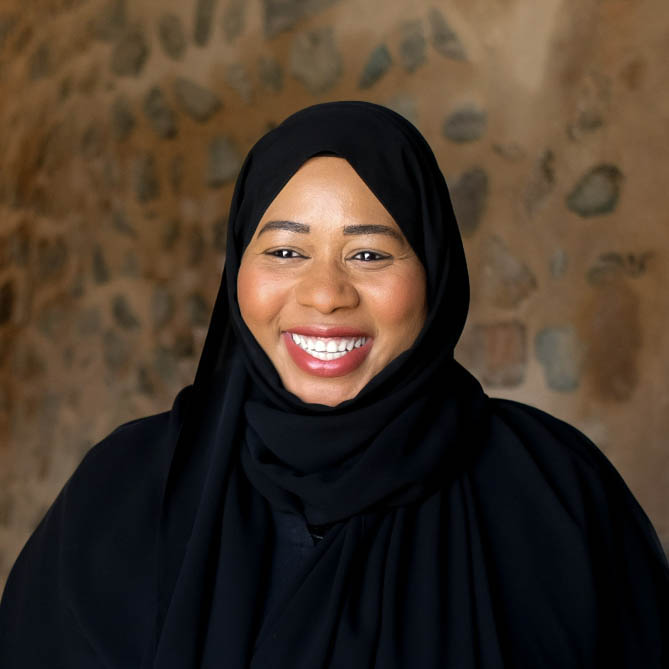
Jameela Jumah Farhan
Tour Guide
-
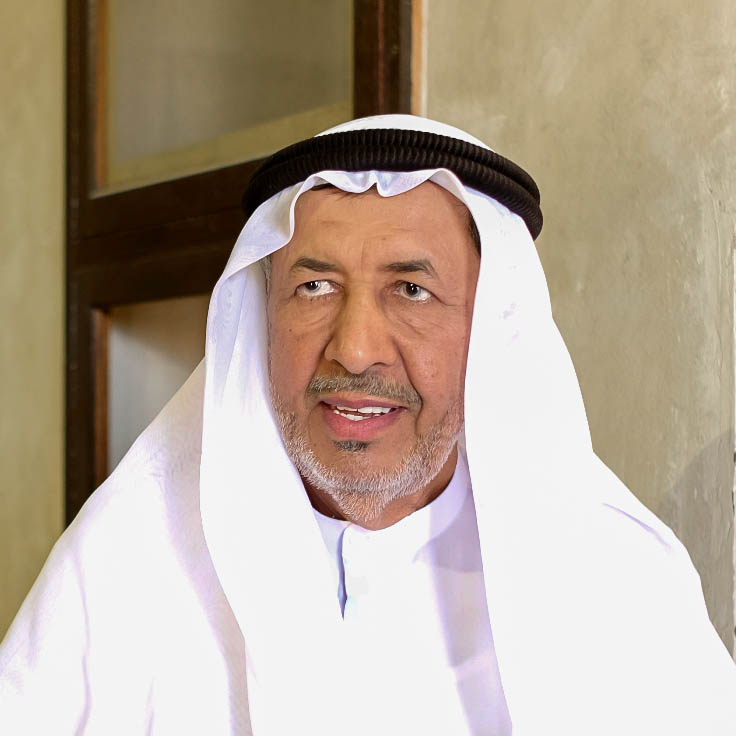
Humaid Ali Obaid Al Yammahi
Local Community Member
-
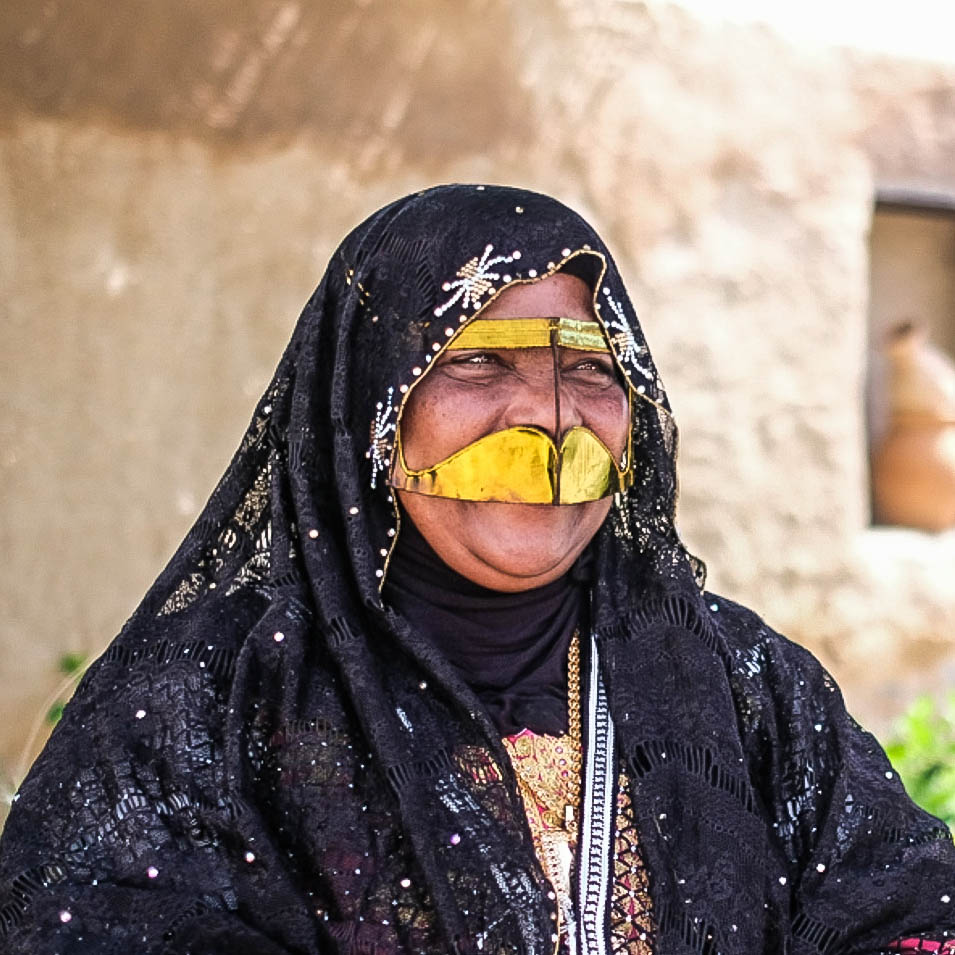
Fatima Rashed Mohammad Al Kaa’bi
Local Community Member
-
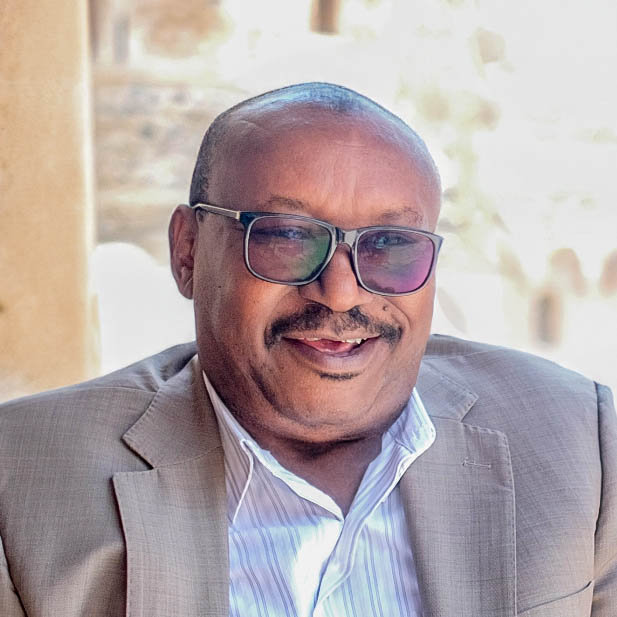
Salah Ali Hasan
Archaeology Expert
-

Amrik Plaha
Historic Buildings Restorer
Gallery
Partners

About the Project
The Fujairah Fort restoration project began in 1997 and represents one of the UAE's most extensive conservation efforts. Led by engineers and archaeologists, the aim was to authentically restore the fort and surrounding structures using traditional materials and methods. The Fort which dates back to the 16th century is situated within a larger architectural ensemble that includes traditional homes, a mosque, a recreated village, and the residences of the Sharqiyin royal family. These places represent a vibrant center for cultural exchange and invite global visitors to explore and appreciate Fujairah's rich cultural heritage.
Related Links
Contact
- Fujairah Tourism info@tourism.fujairah.ae
Credits
This experience was built for the Fujairah Tourism and Antiquities Department. A special thanks to the Ruler of Fujairah, H.H. Sheikh Hamad bin Mohammed Al Sharqi and his son, the Crown Prince, H.H. Sheikh Mohammed bin Hamad bin Mohammed Al Sharqi, who have generously supported this project.
Related experience
Cliff Palace (Opens in new tab) — Explore a cliff dwelling and hear from descendent communities