Story outline
-
Welcome to The Great Mosque
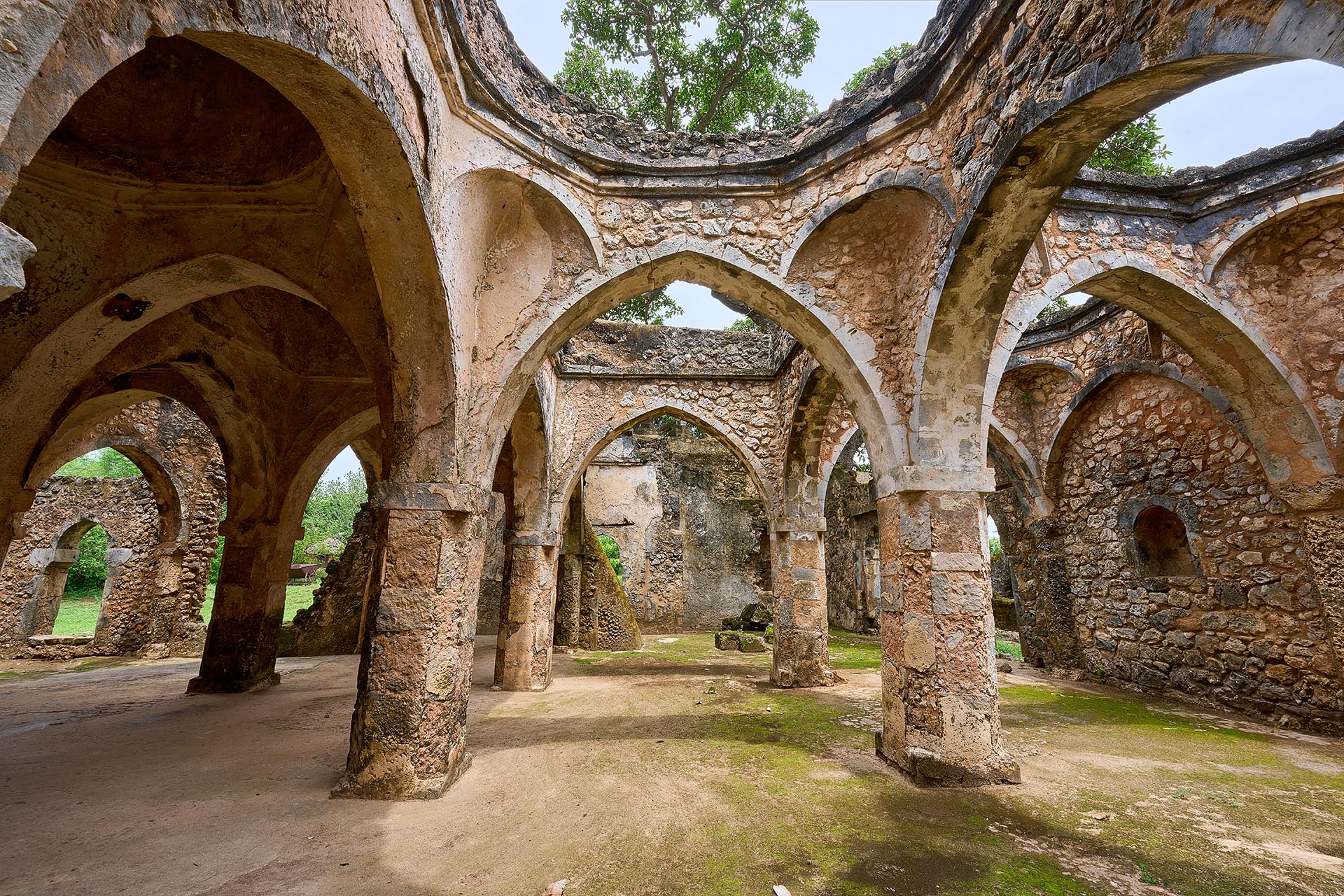
The Great Mosque of Kilwa Kisiwani is the oldest standing mosque in sub-Saharan Africa and reflects Kilwa's historical importance as a trade hub and is home to a vibrant community. -
Stop 1. A Rich and Layered History
The Great Mosque consists of two joint structures, with its extension showcasing Kilwa’s pivotal role in the Indian Ocean trade and Islamisation of East Africa. -
Stop 2. Cleansing Before Worship
Before entering the mosque, worshippers must cleanse themselves in the ablution area before prayer, using water from nearby wells and drying their feet on special stones. -
Stop 3. Exploring the Original Mosque
The "Old Mosque," built between the 11th and 12th centuries, featured a flat roof and key architectural elements still present in modern mosques, such as the Qibla orientation toward Mecca. -
Stop 4. Expansion of Trade & Structure
Built in 1320, the mosque’s extension was a symbol of Kilwa’s prosperity as a trade port, with 42 columns and 36 domes, and was the largest mosque south of the Sahara at the time. -
Stop 5. Architectural Adornments
The mosque’s architecture reflects Kilwa’s trade connections, incorporating ornate porcelain bowls and showcasing a mix of rounded and barrel domes. -
Stop 6. Different Perspectives
The “New Mosque” includes a large dome and two ablution areas, with a debate between scholars and members of the local community over the specific use of these spaces in the mosque. -
Stop 7. Community Conservation Efforts
Conservation efforts at the Kilwa Kisiwani ruins are supported by both the local community and international funding to train locals in restoration techniques to preserve the mosque’s integrity. -
Stop 8. Conclusion
The mosque is a revered space for both locals seeking blessings and tourists learning about Kilwa’s role in spreading Islamic and Swahili culture.
Voices
-
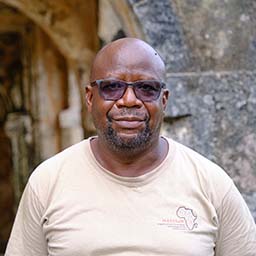
Revocatus Weja Bugumba
Head: Museum, Monuments and Sites, Southern Zone Regions, National Museum of Tanzania
-
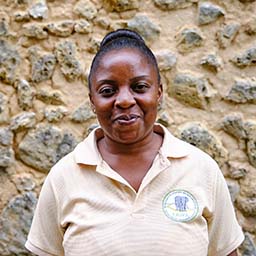
Mercy Mbogelah
Site Manager, Kilwa Kisiwani Ruins
Mercy Mbogelah is a climate heritage expert and conservator for the UNESCO World Heritage Sites of Kilwa Kisiwani and Songo Mnara, where she leads efforts to conserve and protect the archaeological sites. -
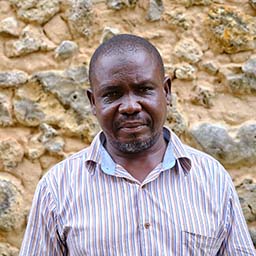
Masoudi Issa Abeid
Kilwa Kisiwani Village Chairman
-
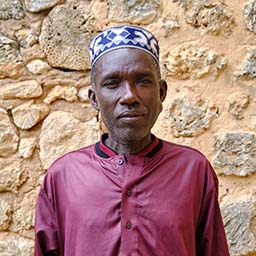
Mzee Said Hamisi
Kilwa Kisiwani Ruins Committee Chairman
-
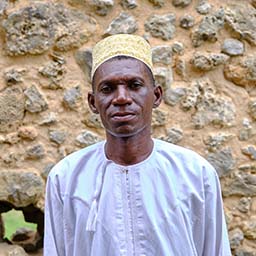
Abdalla Ahmadi
Local Tour Guide
-
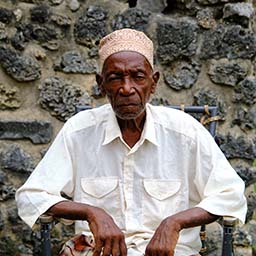
Hassani Rahama
Kilwa Kisiwani Village Elder
Gallery
Partners




About the Project
The Great Mosque of Kilwa Kisiwani is the oldest standing mosque in sub-Saharan Africa. It stands as a symbol of Kilwa’s historical significance as a trade hub and center of Islamic influence in East Africa. The mosque consists of two main sections, with features like 42 columns and 36 domes. Today, the mosque remains a central place of worship and cultural heritage within the community that also support on-going conservation efforts.
Related Links
Credits
This Tapestry experience was created as part of the Local Voices, Global Reach: Cultural Heritage in American Spaces and Beyond project with support from the Ambassadors Fund for Cultural Preservation (AFCP), the U.S. Embassy in Tanzania, the National Museum of Tanzania, and the Tanzanian Wildlife Management Authority (TAWA). This project was led by Revocatus W. Bugumba of the National Museum of Tanzania, who identified and coordinated the following trainees and participants who produced the resulting experience. 3D Capture and Storytelling Team: Abel Albert, Amos Kanju, Brighton Kawiche, Charles Majaliwa, Edgar Chatanda, Emmanuel Francis, Gilman Uliki, Jabir Hilal, Kevin Fella, Mercy Mbogelah, Shomari Rajabu, Winfrida Msaki. A special thank you to members of the Kilwa Kisiwani Community who shared their experiences and expertise to help create this experience.
Related experience
Great Mosque of Djenné (Opens in new tab) — Faith and tradition at Africa's revered mud mosque