Story outline
-
Wat Arun
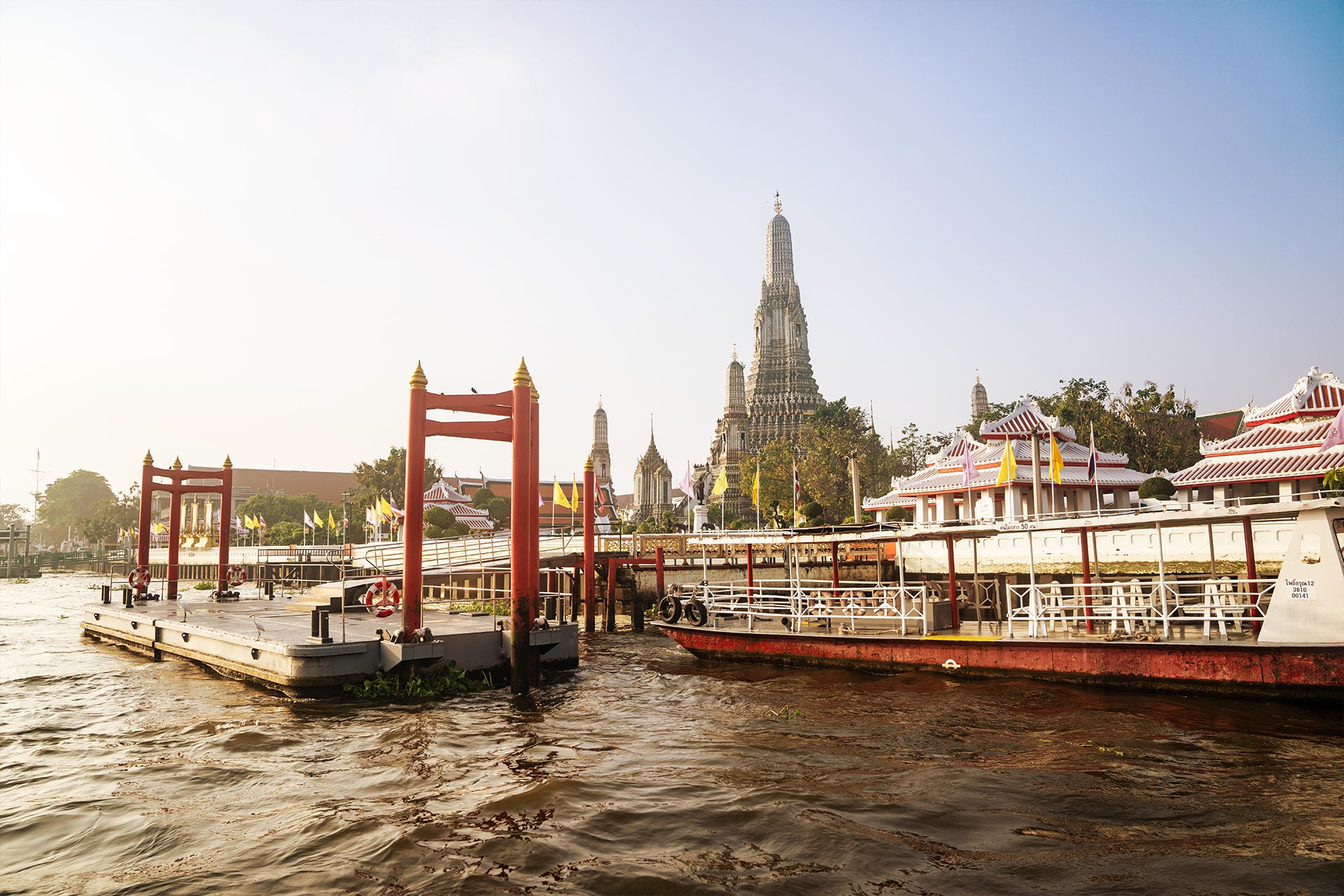
Sawadee krub. Welcome to Wat Arun located in Thailand’s capital city Bangkok, in Southeast Asia. -
Stop 1. Temple Layout
Wat Arun is a Buddhist temple featuring a central tower, or prang, inspired by Hindu-Buddhist tradition and symbolizing Mount Meru, the divine mountain. Built over time by various kings, the complex includes four smaller prangs representing the four continents and cross-shaped buildings called mondops, marking cardinal directions. -
Stop 2. Threshold
The original temple at this site was Wat Makok. The main prang was completed in 1851 under King Rama III. An archway featuring two giant guardians marks the entrance, separating the bustling city noise of Bangkok from the tranquil temple grounds. -
Stop 3. Altar
Walking down a lotus-lined path to the central prang, you'll find a sand-filled container for incense and a stone altar. Visitors pray and ask for entry permission here, often lighting incense or leaving offerings like lotus flowers. The lotus motif is prevalent, symbolizing the Buddhist path. -
Stop 4. Central Prang
The central tower, Phra Prang, at Wat Arun is circled clockwise to signify growth and respect. It features statues of deities and demons holding up its layers. The base has panels showing mythical elements from Himavanta Forest, reinforcing its symbolism as Mount Meru. -
Stop 5. Subsidiary Prang
Four smaller prangs surround the central Phra Prang at Wat Arun, each representing a Buddhist continent and dedicated to Vayu, the Hindu wind god. Decorated with colorful floral motifs, they each house a sculpture of Vayu atop his horse near the top. -
Stop 6. East Mondop
Four small, cross-shaped structures called mondops mark the cardinal directions and symbolize stages of Buddha's life. The one in front represents enlightenment, featuring Buddha who attained wisdom. While Buddha is not a god requiring offerings, they are given by practitioners to purify themselves from negative traits. -
Stop 7. Conclusion
Wat Arun is both a tourist attraction in Bangkok and an active Buddhist temple. Visitors may see monks practicing their faith. Both the temple community and Thai Fine Arts Department work to preserve the site for future spiritual enrichment of monks and visitors alike.
Voices
-
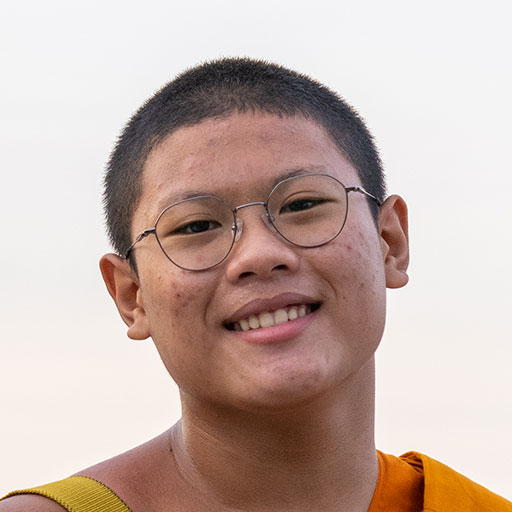
Samanera Natthapol Wongchampa
Novice Monk
Samanera Natthapol Wongchampa is a novice monk at Wat Arun temple. A novice monk is like a trainee, preparing to become a full-fledged monk. They follow most of the rules that regular monks do. This training period helps them adjust to the monk lifestyle and lets them decide if they want to continue on this path for the long run. -
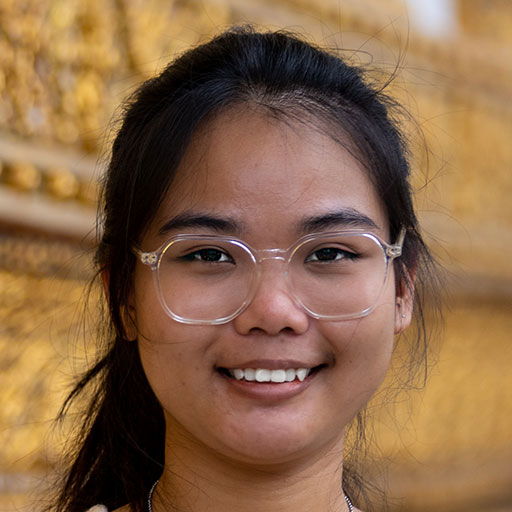
Pitchaya Gleebsuwan
Frequent visitor
Pitchaya Gleebsuwan is from Phuket Thailand and is a frequent visitor to the temple. -
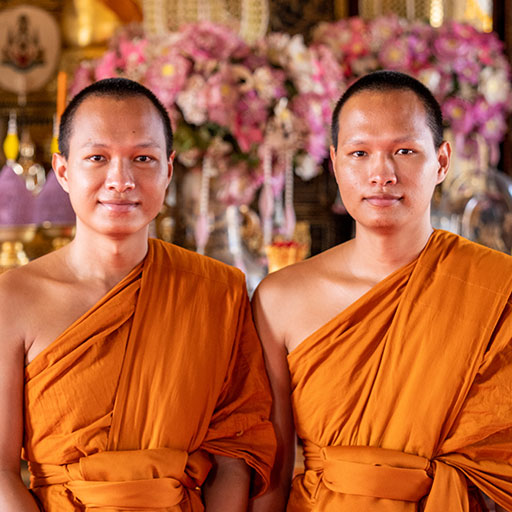
Pramaha Piyanat Soma & Pramaha Wachara Soma
Buddhist Monks
Pramaha Piyanat Soma & Pramaha Wachara Soma are twins and monks at Wat Arun. They are from Ubon Ratchathani and have been monks for 7 years. As part of their duties they help welcome foreign guests and dignitaries and teach novice monks.
Gallery
Partners


About the Project
Wat Arun, often referred to as the "Temple of Dawn," is a Buddhist temple situated on the west bank of the Chao Phraya River in Bangkok, Thailand. Distinctive for its central prang (spire) adorned with colorful porcelain, Wat Arun stands as an iconic representation of Thai architecture and artistry. As one of Bangkok's most recognizable landmarks, Wat Arun is not only an important religious site but also a beacon of Thai cultural heritage.
Related Links
Credits
This Tapestry tour of Wat Arun was made possible thanks to our partners: Phramaha Piyanat Soma, Phramaha Wachara Soma, Narudom Kaewchai, Sanya Jitbunjong, Samanera Natthapol, Duangjampa (Kaew), Pischaya Gleepsuwan, Kunjira Rakkanam, Phornpipat Rattanayanon (Chi), and Kasidis Pimman (Pong).
Related experience
Cliff Palace (Opens in new tab) — Explore a cliff dwelling and hear from descendent communities