Story outline
-
The USS Utah Memorial
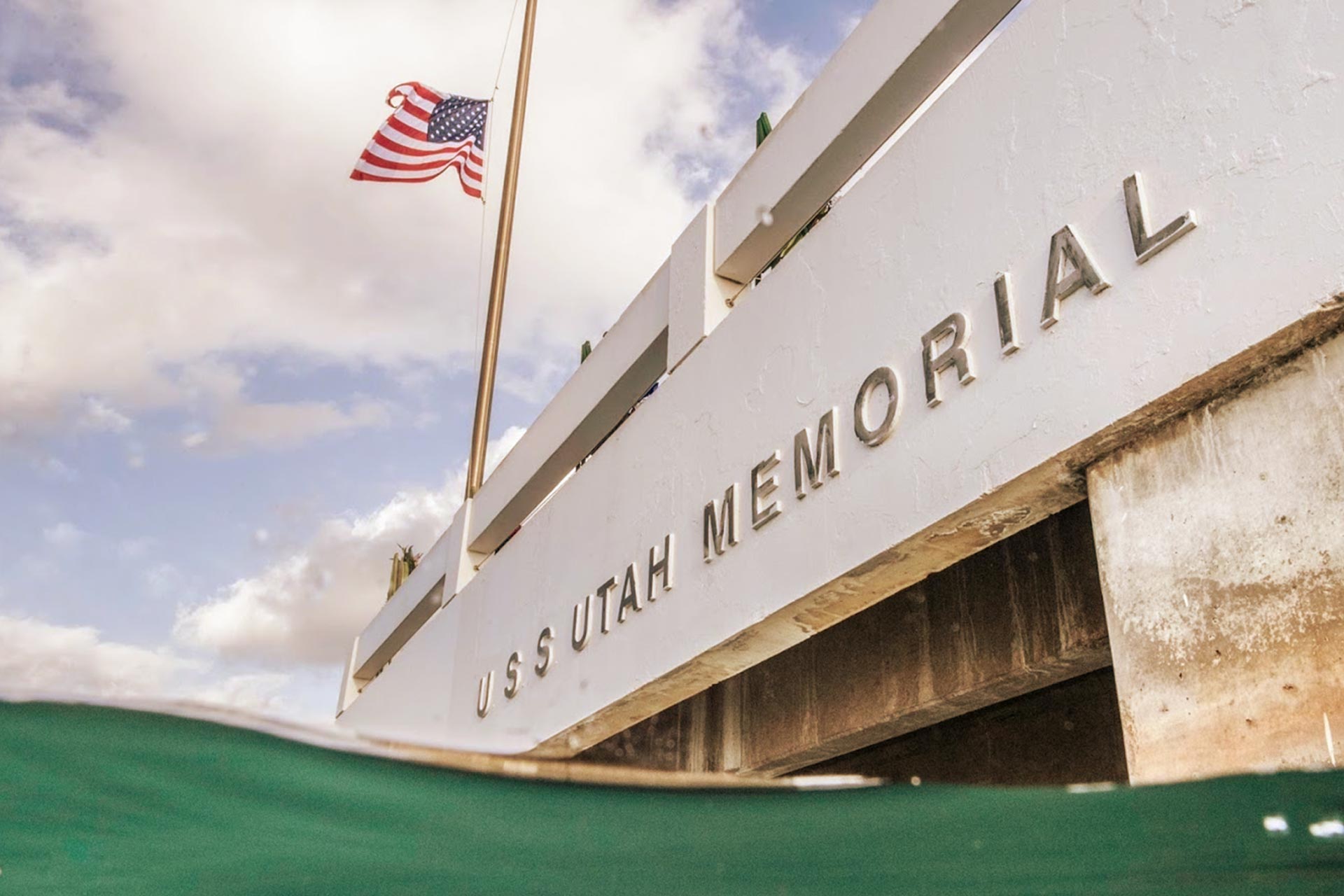
Embark on a virtual journey to the USS Utah Memorial, a solemn tribute rising from the waters dedicated to the ship that bore witness to the devastating events of December 7, 1941. The rusted remains of the USS Utah serve as a powerful testament to the sacrifice and resilience of those who served, and the Memorial invites you to reflect upon the indelible mark left by the attack that propelled the United States into World War II. -
Stop 1. US Military at Pearl Harbor
The development of Pearl Harbor as a naval base became a pivotal aspect of American maritime strategy, symbolizing the nation's expanding influence in the Pacific. Today, Pearl Harbor's tropical palms and sparkling waters strike a unique convergence of natural beauty and profound historical significance of this place. -
Stop 2. In the Line of Duty
Towards the end of the USS Utah’s diverse active service career, the London Naval Treaty was signed between the U.S., U.K., Italy, France, and Japan in 1930. This agreement among others prevented a naval arms race and limited the number of active duty warships nations could have. In doing so, the USS Utah was retired from active service. -
Stop 3. A Ship Reborn
In many ways the USS Utah was one of the first drones- a ship able to be controlled and steered entirely by radio control. The training and target practice this capability would provide became directly linked to the future successes of the U.S. Pacific fleet throughout World War II. -
Stop 4. Attack On Pearl Harbor
Japan, seeking to expand its empire in Asia, had been engaged in aggressive military campaigns in China since the early 1930s. As Japan continued its expansion into Southeast Asia, the United States, alarmed by these imperial ambitions, imposed economic sanctions and froze Japanese assets, escalating tensions. The attack on Pearl Harbor on December 7, 1941, served as Japan's decisive response, aimed at crippling the U.S. Pacific Fleet and delaying challenges to its regional dominance. -
Stop 5. Conflict in the Pacific
While the Utah was lost, many of the pilots, gunners, and shipmen that trained with it continued the fight. The commitment of American forces, combined with advancements in naval and aerial warfare, ultimately contributed to the gradual defeat of Japanese forces and the liberation of Pacific territories. The Pacific War not only showcased the resilience and bravery of those involved but also marked a transformative period in the global balance of power. -
Stop 6. A Final Resting Place
This final resting place for the 58 crew are now honored annually in a December 6th ceremony. In addition, the NPS supports reinterments and ash scatterings of veterans involved in the events of Pearl Harbor. -
Stop 7. Forgotten No More
After salvage efforts were stopped in 1944, the ship remained mostly forgotten until 1972 when Utah Senator Frank Moss championed the creation of the permanent monument structure seen today. The National Park Service is committed to preserving and interpreting tangible and intangible historical resources and the memories, attitudes, and traditions associated with the December 7, 1941 attack and the Pacific War. -
Stop 8. A Place of Reflection
The site fosters reconciliation as a symbol of shared remembrance, bringing together people from different nations to honor the lives lost and promote mutual understanding. Through educational programs and exhibits, Pearl Harbor actively engages visitors in learning about the consequences of conflict, emphasizing the importance of diplomacy and cooperation in preventing future tragedies.
Voices
-

Jim Neuman
Naval Historian
Jim Neuman is the Historian for Commander Navy Region Hawaii for over 15 years, bringing the stories and history of Pearl Harbor to veterans and the public alike. -

David Kilton
NPS Interpreter
David Kilton is the lead for Interpretation, Education and Visitor Services at Pearl Harbor National Memorial and specializes in helping the public better engage with the history of Pearl Harbor. -
Survivors
Voices of Our Veterans
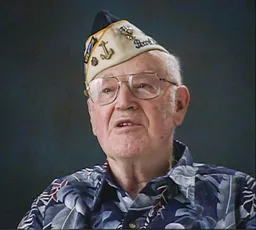
Listen to the stories and experiences of direct survivors of the attack on Pearl Harbor aboard the U.S.S. Utah, thanks to historical footage provided by the National Park Service.
Gallery
Partners



About the Project
As you stand before the USS Utah Memorial, a solemn tribute rises from the waters of Pearl Harbor, encapsulating the poignant history of the ship that bore witness to the devastating events of December 7, 1941. The rusted remains of the USS Utah serve as a powerful testament to the sacrifice and resilience of those who served, inviting you to reflect upon the indelible mark left by the attack that propelled the United States into World War II.
Related Links
Credits
This tour was created with support of the National Park Service at Pearl Harbor National Monument, and Pacific Historic Parks. A special thanks to our interview contributions from Jim Neuman and David Kilton.
Related experience
Angel Island WWII Confinement (Opens in new tab) — Follow the stories of Japanese American WWII confinement